




Refugee reception centres hosting Sudanese refugees in eastern Chad are facing acute humanitarian conditions, as thousands of refugees arriving from the city of El-Fashir and its surrounding areas confront escalating, life-threatening risks due to severe shortages of food, medicine, shelter materials, and drinking water, compounded by harsh climatic conditions—most notably a sharp drop in temperatures.
Field observations by a SUNA correspondent indicate that services provided at these centres remain extremely limited and are wholly inadequate for the large and growing number of refugees. Available tents are insufficient to accommodate everyone, forcing many families—including women and children—to sleep in the open or under trees, without any meaningful protection from the cold.
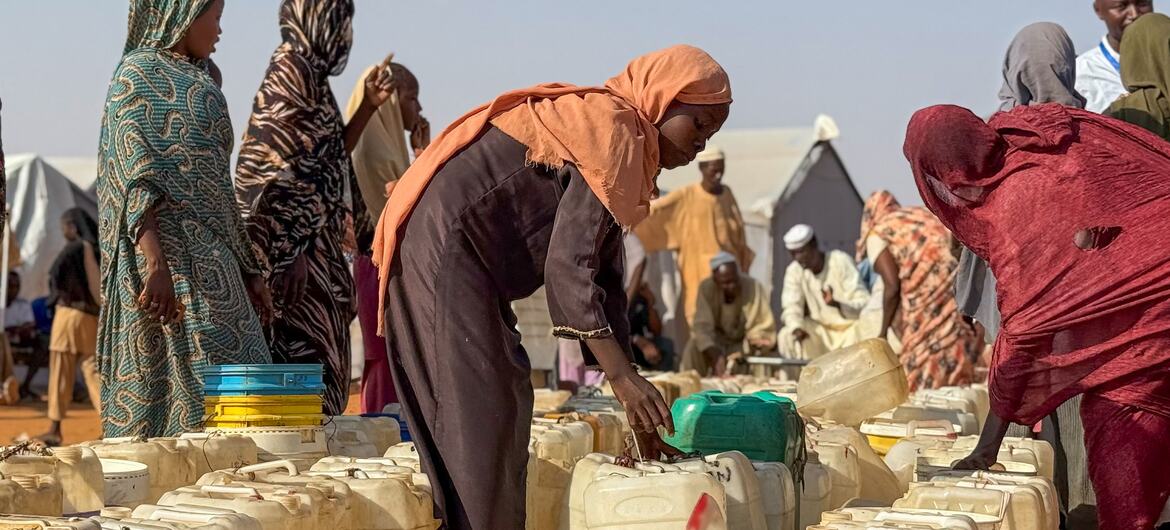
The centres are also suffering from an acute shortage of potable water. Although water tanks are present, the absence of distribution networks and pipelines makes access exceedingly difficult, exacerbating refugees’ suffering and exposing them to serious health risks.
On the health front, the centres lack basic medical services amid the widespread prevalence of diseases, particularly among children. Reported cases include infections and respiratory illnesses associated with the winter season.
Eyewitnesses affirmed that most refugees lack even the minimum food requirements. The arrival of new waves of displaced persons (IDPs) in recent days has further intensified humanitarian needs.
Some members of surviving families are making individual efforts, within their limited means, to mitigate the effects of the bitter cold and the shortage of essential supplies. However, these efforts remain grossly insufficient in the face of the scale of the humanitarian crisis.
Refugees have appealed to regional and international organizations for urgent intervention and increased humanitarian assistance, calling for the provision of food, safe drinking water, and adequate shelter, as well as support for health centres with medicines and medical personnel, with particular attention to children and the elderly.
These appeals come amid deteriorating humanitarian conditions at reception centres for refugees fleeing the El-Fashir massacre, underscoring the need for a serious and coordinated international response—especially as humanitarian assistance from relief organizations remains limited with the approach of year’s end.
#Nabaa_Sudan#Sudan#