





Khartoum: Intisar Fadlallah
Chairperson of the Political Parties Affairs Council, Dr. Leila Osman Ibrahim, has called for reform of the legal framework governing political party activities in Sudan to ensure internal democracy, limit leadership monopolies, regulate parties’ financial resources and foreign relations, and expand the participation of women and young people.
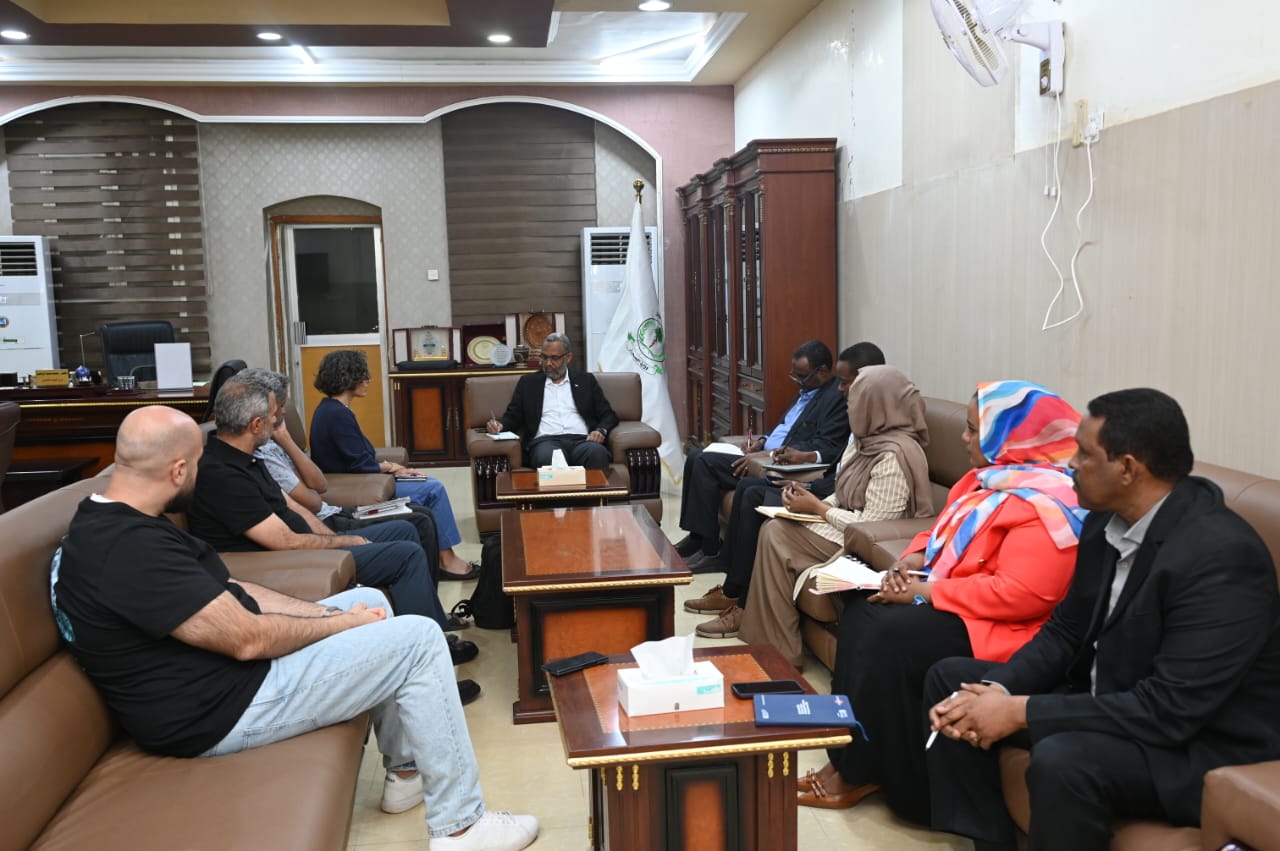
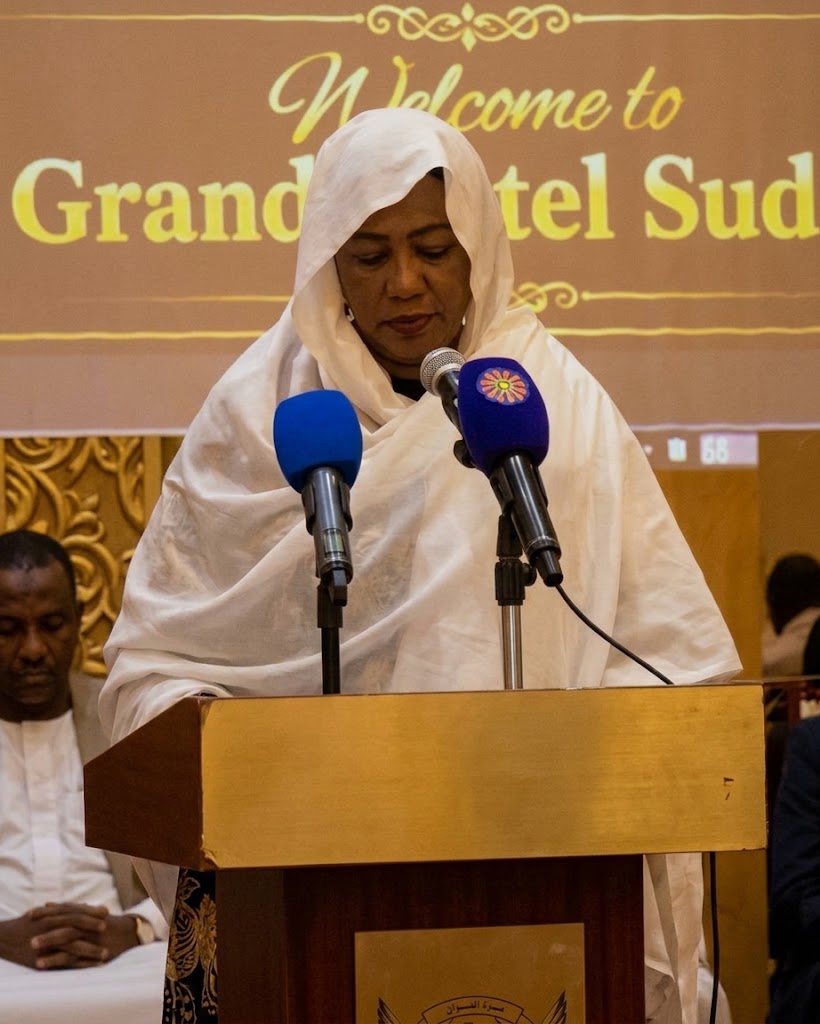
Speaking at a workshop on reforming the Political Parties Act for 2026 in Khartoum, Leila said the event represents a step towards political and institutional reform. She affirmed that the Council supports a participatory, realistic and implementable law, one that is not drafted unilaterally but rather based on consensus among the parties concerned.
She stressed that legal reform should be based on clear priorities, including developing democratic practices within political parties, promoting transparency in the management of their financial resources, preventing polarization and foreign interference, and providing greater opportunities for women and young people to participate in political and leadership activities.
The Council Chairperson underscored the importance of accompanying legislative reform with ongoing training and capacity-building programmes, as well as establishing a specialized centre to develop capacities within political parties. Such measures, she said, would strengthen democratic practices and ensure their sustainability, rather than simply issuing a new act without building the institutions capable of implementing it.
She also called for the use of digital transformation to develop political party activities, citing the substantial losses suffered by the Council during the war, including damage to and loss of its records and archives. She noted that the Council is seeking to cooperate with the Ministry of Communications and other entities to establish databases and electronic archiving systems that preserve documents and ensure institutional continuity.
Leila said the success of the anticipated act depends on the ability of political forces to absorb the lessons of the past and present and translate them into practical safeguards to prevent the recurrence of previous shortcomings. She emphasized that reforming political parties is an essential component of the country’s broader political and institutional reform process.
She commended the participation of political forces in the workshop, describing consultation on the act as a gateway to building a mature legal framework that enjoys acceptance and commitment and strengthens the ability of political parties to fulfil their role in political life.
#Sudan#Nabaa_Sudan#Nabaa