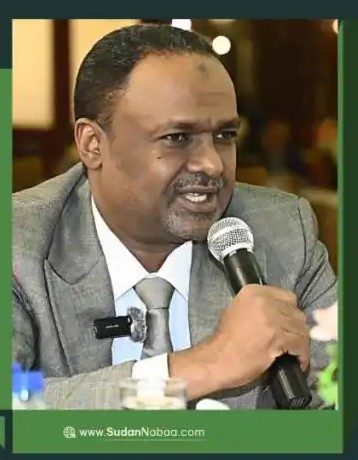

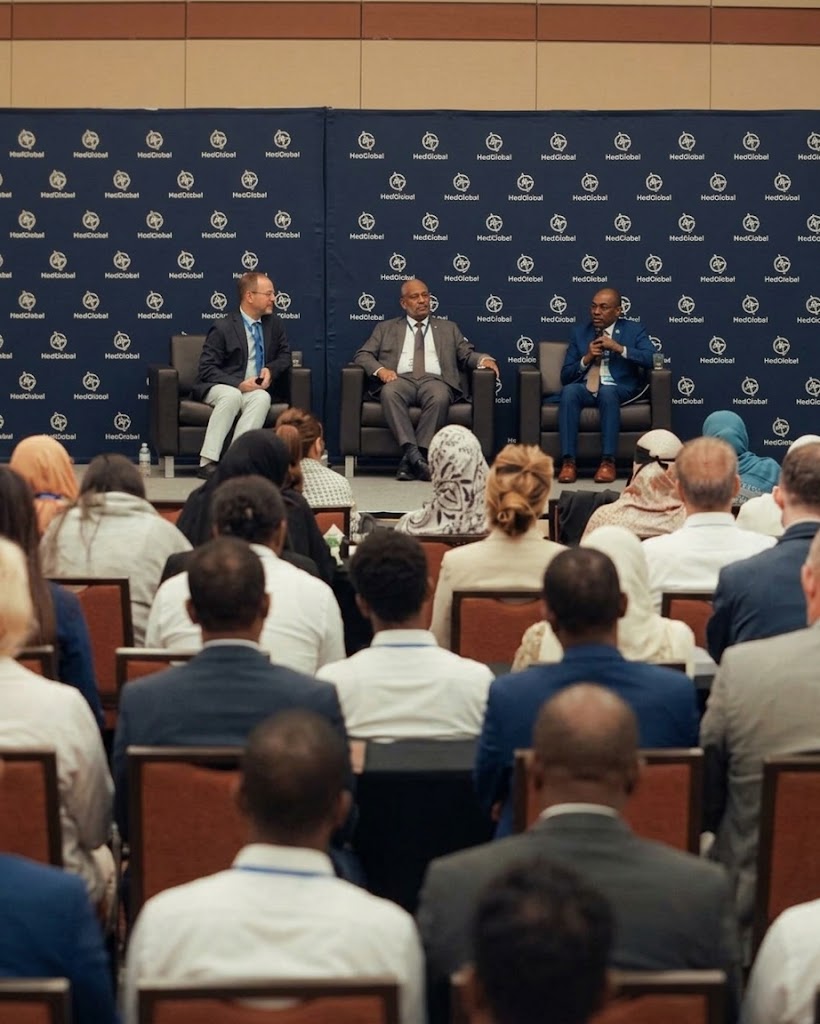



Sudanese Finance Minister Gebreil Ibrahim said the government’s role is to regulate, guide and plan economic activity and provide infrastructure, while responsibility for major investment initiatives and production rests with the private sector, which he described as the main driver of development.
Addressing the Agricultural Investment and Trade Forum on Value Chains for Priority Commodities in Sudan on Sunday, Gebreil called for making better use of Sudan’s natural and productive resources. He pointed to the country’s abundant water resources, fertile land and extensive areas suitable for cultivation, at a time when the world is facing growing challenges related to food and water scarcity.
He said Sudan has extensive opportunities to increase agricultural production, given its water resources and land suitable for cultivation. He called for greater efforts to turn these advantages into actual production and investment that would help drive economic development.
Agricultural Insurance and Production Financing
The finance minister urged farmers to make use of agricultural insurance services, noting the availability of various insurance companies and entities providing financing and insurance coverage, including international institutions such as the World Bank and the African Development Bank.
He stressed that the government should focus on providing infrastructure that individuals would find difficult to develop independently, as well as creating a suitable investment environment that would enable the private sector to lead productive initiatives and expand economic activity.
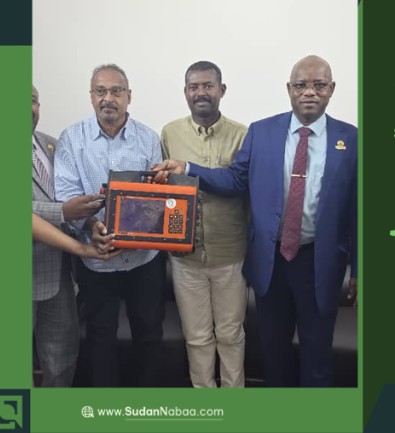
Gebreil welcomed the Arab Organization for Agricultural Development’s (AOAD) resumption of operations from Sudan and expressed hope that other organizations would also return, strengthening institutional cooperation and supporting efforts to develop the agricultural sector.
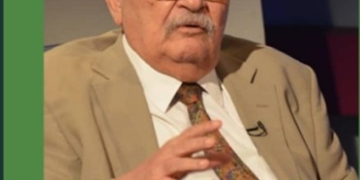
For his part, Professor Ibrahim Al-Dukhairi, head of the Arab Organization for Agricultural Development, said the forum was part of a series of investment and trade forums organized under a trade facilitation project managed by one of the entities within the Islamic Development Bank Group. The initiative has included several countries, among them Somalia, Syria, Mauritania and Egypt.
He explained that the project targets strategic crops based on each country’s comparative advantages, noting that Sudan’s programme focuses on gum Arabic and groundnuts, both of which are key crops of considerable economic importance.
Al-Dukhairi added that the forum provides a platform for discussing issues related to developing agricultural value chains through five main themes, with the aim of expanding investment and trade opportunities and connecting production stages with markets.
He said rebuilding Sudan’s agricultural sector was a priority for the organization, highlighting agriculture’s importance to the national economy. He noted that approximately 80 percent of Sudan’s workforce is employed in the sector.
Al-Dukhairi also disclosed an existing partnership between the organization and the Bank of Khartoum covering agricultural financing and investment in solar energy in Northern State and River Nile State, with available resources being harnessed to support productive activities.
He emphasized that the organization’s role includes coordination, qualification and capacity-building in cooperation with partners, helping improve the agricultural sector’s efficiency, strengthen its ability to attract investment and develop value chains.
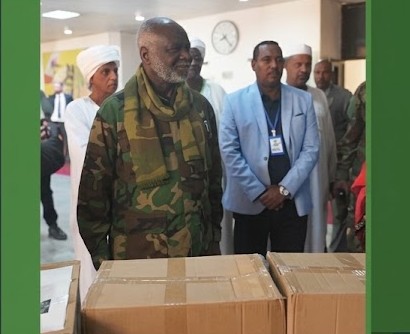
The forum was attended by representatives of the ministries responsible for agriculture and livestock, along with several banks, economic-sector leaders, representatives of judicial, security and police agencies, and farmers.
Sudan#Nabaa_Sudan#Nabaa