

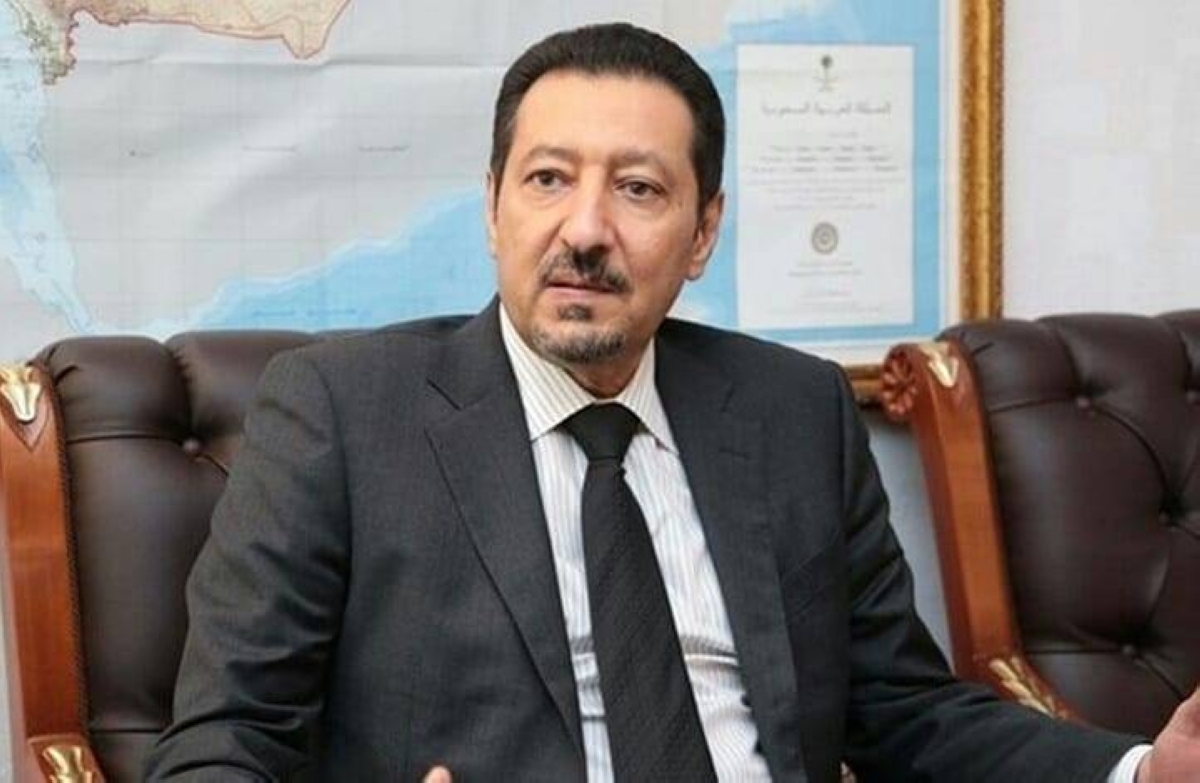


Vienna (Nabaa Sudan) – Former Austrian Defence Minister and President of the Austrian Institute for European and Security Policy, Dr. Werner Fasslabend, has praised the efforts of the Sudanese-Sudanese Dialogue Preparatory Committee, describing the initiative as “extremely important” and emphasizing that engagement with traditional and tribal leaders is a key entry point for preserving Sudanese social cohesion, even amid difficulties in reaching a political settlement.
Fasslabend made the remarks during a meeting in Vienna with Mohannad Siddiq, a member of the committee and its Office of Liaison with Countries and International Organizations. Siddiq briefed him on the initiative’s objectives, the progress of domestic consultations, and the regional and international outreach being undertaken by the committee.
Fasslabend described the committee’s engagement with tribal and community leaders as “excellent,” noting that the importance of these efforts extends beyond achieving immediate political results to preserving ties among different segments of society and strengthening Sudan’s unity. He said continued dialogue remains essential even when it does not quickly produce specific agreements, stressing that maintaining connections among Sudanese people is itself a valuable achievement worthy of support.
The former Austrian defence minister warned that the continuation of the war could entrench divisions between areas under different forms of control. He noted that calculations centred on military gains could make the parties less willing to offer concessions necessary for reaching a settlement.
He said these complexities reinforce the need for Sudanese-led initiatives that build common ground, calling for the committee to continue its efforts and raise the initiative’s international profile.
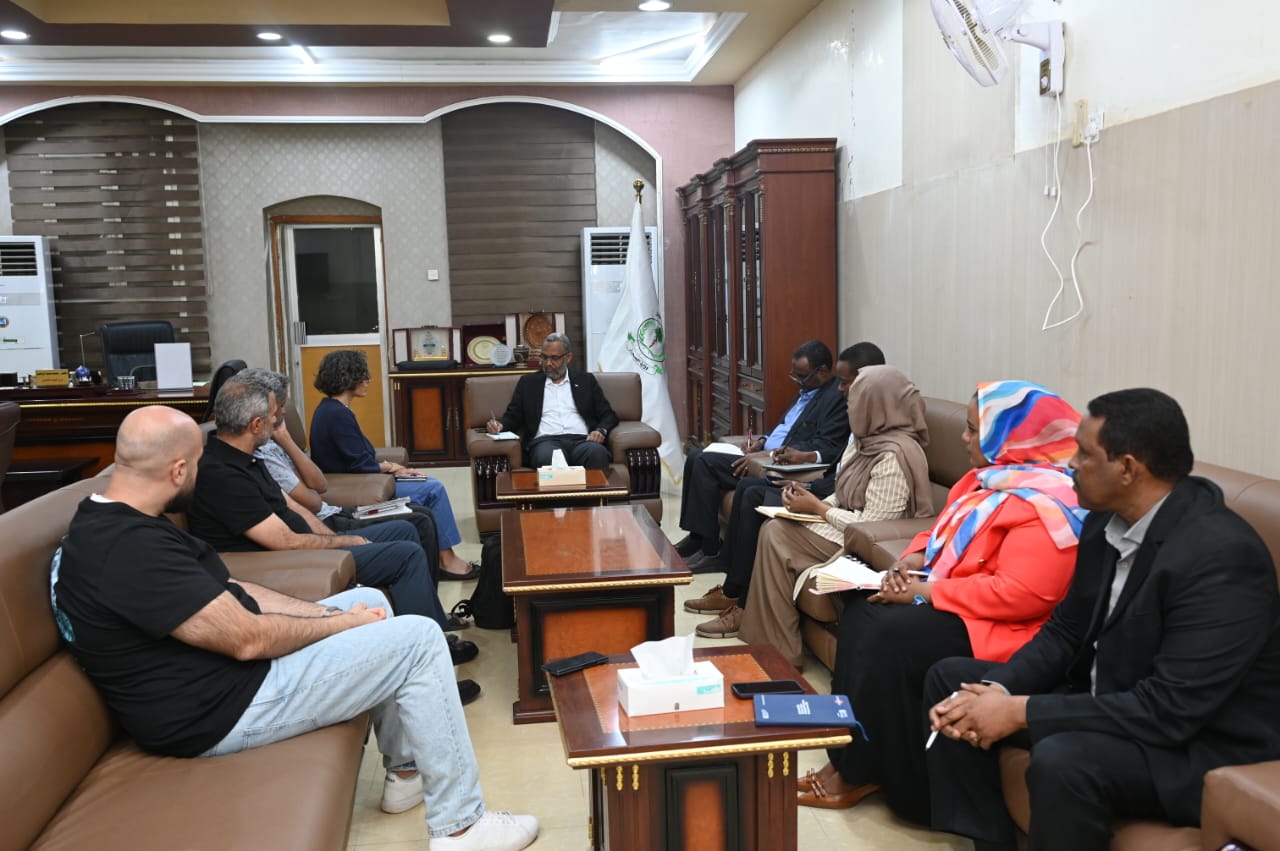
For his part, Mohannad Siddiq explained that the committee is working to create the conditions for an inclusive Sudanese-Sudanese dialogue by building trust and listening to the country’s diverse political and social constituencies. These include traditional and religious leaders, women, young people, farmers, businesspeople, internally displaced persons (IDPs) and refugees, as well as political parties and forces.
Siddiq outlined the committee’s meetings in Khartoum and consultations with representatives of communities from Darfur and Kordofan, in addition to community meetings in Al-Gadharef and Kassala. He stressed the importance of involving groups outside the political party system in discussions on Sudan’s future.
He emphasized that the committee’s role is facilitative and does not involve imposing a predetermined agenda or outcomes. Instead, it seeks to give participants the opportunity to identify the issues to be discussed and determine the dialogue’s outcomes. He said broader community participation provides a pathway towards building national consensus that addresses the root causes of the crisis and supports prospects for lasting peace.
The meeting also addressed the need to coordinate efforts to end the war, respond to humanitarian needs, and prepare for political dialogue. The two sides further discussed ways to strengthen engagement with European institutions and prominent figures interested in Sudanese affairs.
At the conclusion of the meeting, Fasslabend congratulated the committee on the initiative and expressed his interest in maintaining contact and exploring ways to support it through international outreach. The two sides also discussed the possibility of organizing briefings and meetings with European stakeholders to raise awareness of the initiative’s objectives and the committee’s efforts to prepare for an inclusive Sudanese-Sudanese dialogue.
Sudan#Nabaa_Sudan#Nabaa