



Minister of Human Resources and Social Welfare Mo’tasem Ahmed Saleh has called for building a comprehensive national partnership among state institutions, state governments, organizations, civil society and development partners to move from humanitarian response to supporting recovery and reconstruction.
He stressed that the next challenge is to enable Sudanese people to restore their lives and productive capacity and to build a more equitable and sustainable social protection system.
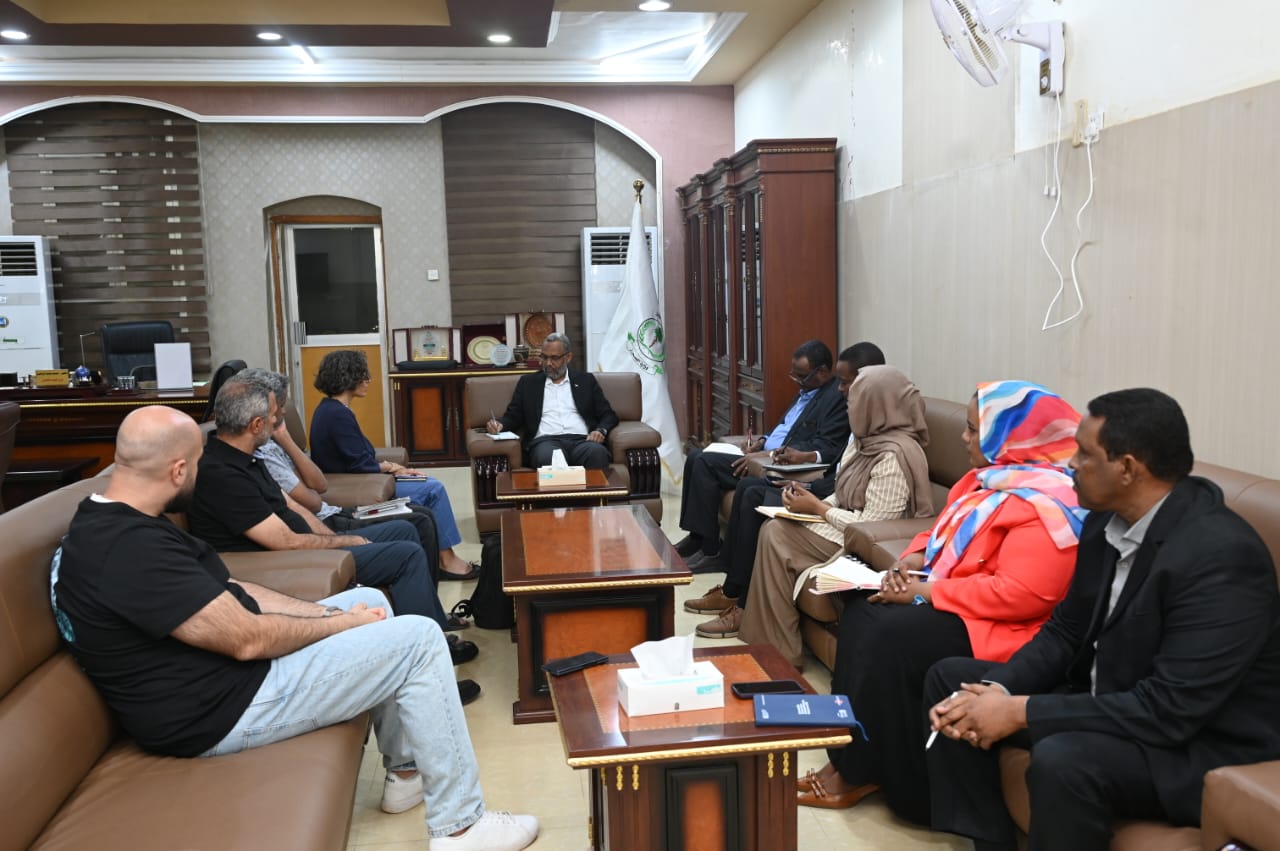
Speaking at the opening session of the two-day Social Welfare and Development Partners Forum, held on Friday at the Grand Holiday Hotel in Khartoum in the presence of a number of ministers, undersecretaries, representatives of voluntary organizations and development partners, Dr. Saleh said that the forum should not be “merely a space for exchanging papers and ideas,” but rather a platform for dialogue, agreement on a shared vision, and identification of priorities and roles, ultimately leading to the “building of a genuine partnership” for the next phase.
He said the war had left “deep impacts on Sudanese society,” contributing to the expansion of poverty and vulnerability, damaging livelihoods and basic services, and placing significant pressure on the social fabric, while families, communities and states have borne exceptional burdens.
The minister commended the role played by state institutions, state governments, businesspeople, social protection institutions, national and international organizations, civil society organizations, and community and national initiatives in responding to the repercussions of the war and alleviating the suffering of those affected.
He expressed the ministry’s appreciation to everyone who contributed to “protecting a citizen, providing relief to a family, treating a patient, or sheltering a displaced person,” as well as those who helped return citizens to their homeland or provided employment or a source of livelihood to families that had lost their means of living.
Saleh noted that Sudan is entering a “new phase,” with security and stability returning to large areas of the country and state institutions and citizens gradually returning to their areas, making it necessary to move into the recovery and reconstruction phase.
He explained that the question is no longer limited to how assistance can be provided, but has expanded to include how people can be empowered to restore their lives and productive capacity, rebuild families and communities, and develop a social protection system better equipped to confront poverty and shocks and characterized by greater equity and sustainability.
The Minister of Social Welfare affirmed that these issues lie at the heart of the Social Welfare and Development Partners Forum, which serves as a platform for coordinating efforts, harmonizing visions and identifying priorities in a manner that addresses the needs of Sudanese society during the coming phase.
It is worth noting that a number of working papers were discussed during the forum.
#Sudan#Nabaa_Sudan#Nabaa