


Riyadh (Nabaa Sudan) – The Sudanese government is seeking to establish a Saudi partnership to secure fuel supplies and expand oil refining capacity through proposed arrangements with Saudi Aramco and the construction of a refinery in Port Sudan, as the energy sector faces supply challenges and the task of rehabilitating facilities damaged by the war.
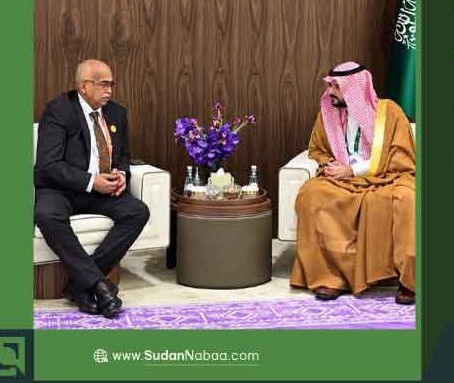
Minister of Energy and Petroleum, Engineer Al-Mua’tasim Ibrahim Ahmed, raised these issues during a meeting held on Wednesday in Riyadh with Saudi Assistant Minister of Energy Engineer Mohammed Abdulrahman Al Ibrahim. The meeting took place on the sidelines of the International Energy Forum and the World Petroleum Congress, in the presence of Sudanese Ambassador Dafallah Al-Haj Ali and Saudi officials.
Fuel supplies topped the agenda, with the two sides discussing arrangements for cooperation with Aramco to ensure regular supplies of petroleum products to Sudan through a sustainable partnership. However, a statement from Sudan’s Ministry of Energy did not specify the proposed supply volumes, the expected commencement date or the financing mechanism.
The discussions also covered the establishment of an oil refinery in Port Sudan, including opportunities for technical and investment cooperation to implement the project. The two sides further discussed attracting Saudi investment to develop oil blocks in the Red Sea area and strengthen exploration and production activities.
The proposed cooperation also extends to the electricity sector. The meeting addressed the provision of equipment and supplies needed to rehabilitate infrastructure damaged by the war, as well as the transfer of technical expertise and capacity-building.
According to the Ministry of Energy and Petroleum’s media office, the two sides agreed to follow up on the issues discussed and translate their understandings into practical projects and programmes. No implementation agreements or specific project timelines were announced.
These efforts form part of Sudan’s drive to secure its fuel requirements and rebuild the energy sector. The next steps, however, will depend on whether the understandings lead to clear agreements defining the parties’ obligations, financing arrangements, supply volumes and implementation schedules.
Sudan#Nabaa_Sudan#Nabaa