



Port Sudan, (Nabaa Sudan) – The Sudanese Sea Ports Corporation (SPC) is seeking to reorganize the ports sector and enhance its competitiveness by modernizing cargo-handling operations, developing infrastructure, and expanding investment partnerships, as the country grapples with the repercussions of the war and growing international competition in the Red Sea.
These efforts come as part of the International Conference on Sudanese Ports, hosted by Port Sudan on Sunday and Monday, with the participation of the Arab Academy for Science, Technology and Maritime Transport (AASTMT), affiliated with the League of Arab States.
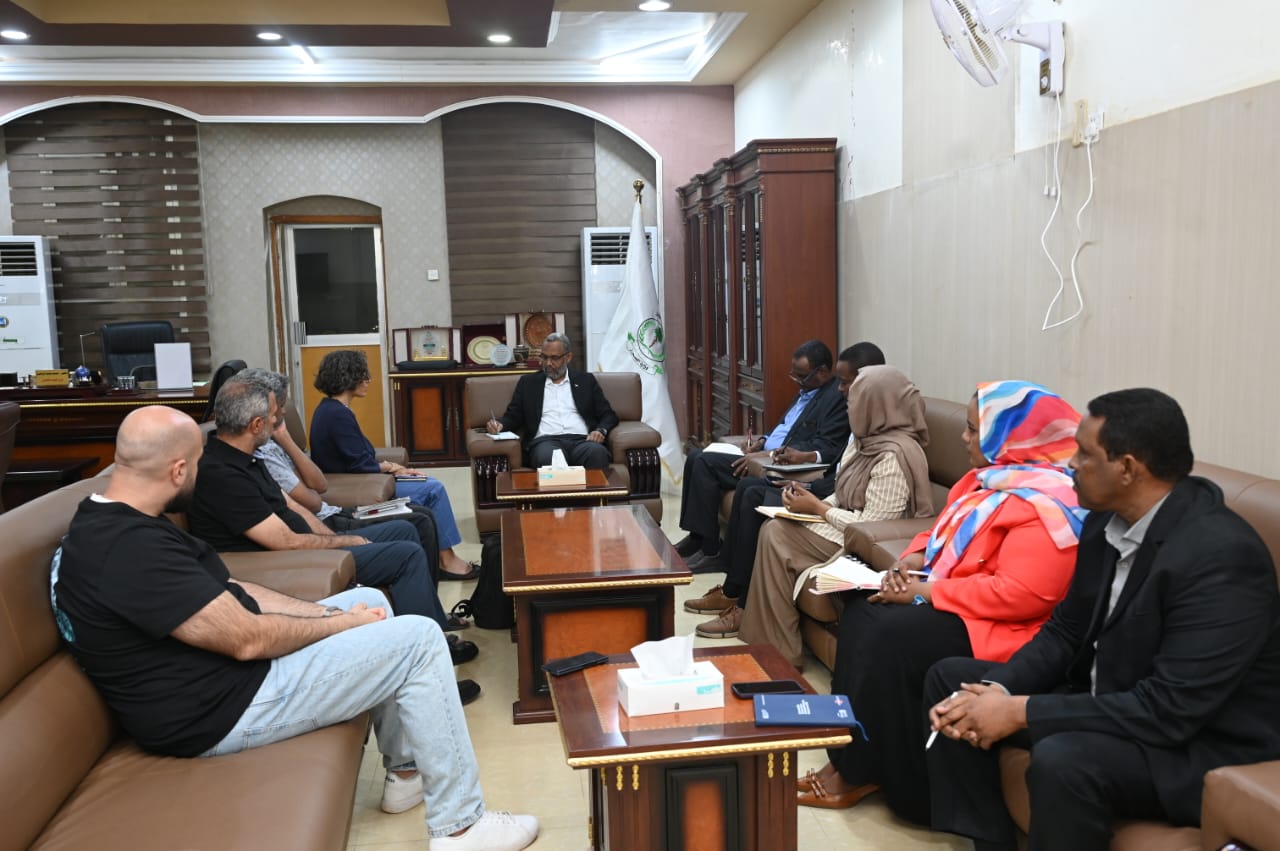
Chairman of the Higher Committee for the International Conference on Sudanese Ports, Hassan Jaafar, said the conference is being held under the theme “Towards Sudanese Ports” and features 16 working papers, including 12 presented by international experts and four by local experts, to discuss the future of the ports and the technical, operational, and investment challenges facing the sector.
Jaafar explained that the discussions focus on four areas: modernizing cargo-handling procedures from ship to berth; infrastructure challenges involving berths, equipment, and storage yards; supply chains and the smooth flow of exports and imports; and local and international laws governing maritime operations.
“Global competition over ports” features prominently on the conference agenda. Jaafar said Sudan’s strategic location has made its ports the focus of international attention, noting that the SPC is seeking partnerships in areas including the construction of berths, yards, and other facilities, while stressing the need to safeguard the rights of the corporation and the state.
Addressing concerns over privatization, Hassan Jaafar categorically stated that there is no move to privatize the ports, saying that any visions put forward regarding partnerships remain proposals subject to decisions by the state and the relevant authorities.
For his part, Deputy Director-General of the Sea Ports Corporation, Mohamed Jaafar, said there is a move to transform the SPC into the “National Maritime Authority,” giving it an official role in representing the state’s maritime authority. He expected the relevant study to be approved.
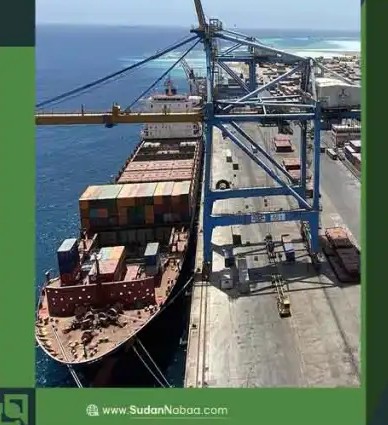
Mohamed Jaafar also revealed plans to add a new container berth at the “Green Port” through strategic partnerships, along with advanced steps to establish a new port in the Abu Omama area in cooperation with a global Chinese port company, with studies expected to be completed and the port to be established by the end of 2027.
He said the war had not affected the ports’ infrastructure, equipment, or buildings, but had primarily affected foreign trade flows as a result of production areas halting operations and suppliers leaving during the past period.
SPC Deputy Director-General added that maritime activity had resumed strongly and that the SPC operates under a “Zero Ship Waiting” policy, under which ships unload their cargo and depart without waiting beyond the normal period.
Meanwhile, Rapporteur of the Higher Committee for the Conference, Awad Al-Bari, said the ports had undergone development work that included modernizing cargo-handling equipment, increasing capacity, and providing alternative power to address fluctuations in electricity supply. He noted that Berth No. 22 had been completed to international standards to accommodate large vessels.
Al-Bari said the Red Sea represents a strategic hub for global trade, with more than 20 percent of global trade passing through it, while disruptions to maritime navigation over the past year had increased international interest in finding alternative routes.
He also noted that the demarcation of maritime boundaries had resulted, according to his account, in 22 additional islands becoming part of Sudanese territorial waters, describing this as an opportunity to expand the blue economy and increase returns from marine resources.
Al-Bari stressed that moving the conference from Alexandria to Port Sudan represents a “sovereign gain” for Sudan and presents a different image of the country associated with development and trade. He also expected increased investment interest in Sudan after the end of the war, given what he described as the availability of investment opportunities and the scientific and international vision being discussed at the conference.
Sudan#Nabaa_Sudan#Nabaa#