




Nabaa Sudan – The United Nations Human Rights Office said it documented 17 incidents of conflict-related sexual violence in Sudan between January and June 2026, involving at least 46 victims, including 27 women, 14 girls, four men and one boy. It also documented the deaths of at least 104 detainees inside detention facilities linked to the Rapid Support Forces’ control of El-Fasher.
In a report covering the human rights situation from 1 January to 30 June 2026, the Office explained that cases of sexual violence included rape, gang rape and attempted rape, in addition to acts of sexual violence amounting to torture or cruel, inhuman or degrading treatment.
The Office stressed that the documented figures represent only a small fraction of the actual scale of violations, due to insecurity, social stigma, fear of reprisals and the lack of realistic opportunities for accountability in war-affected areas.
The report stated that sexual violence remained a widely used weapon, particularly in Darfur and Kordofan, aimed at humiliating civilians, forcing populations to flee and potentially altering the ethnic composition of certain areas. It noted that patterns of ethnically motivated sexual violence had been documented, particularly in Darfur, targeting members of the Zaghawa community and non-Arab groups perceived as supporting the army and the Joint Forces.
The report said that, during a mission to Chad in July 2026, the Office interviewed 15 female survivors who had fled the Dar Zaghawa area. They reported that sexual violence was a key element of attacks carried out by Rapid Support Forces personnel against civilians. They said they had been held for between three and five days, tied up, raped and forced to perform domestic chores for fighters.
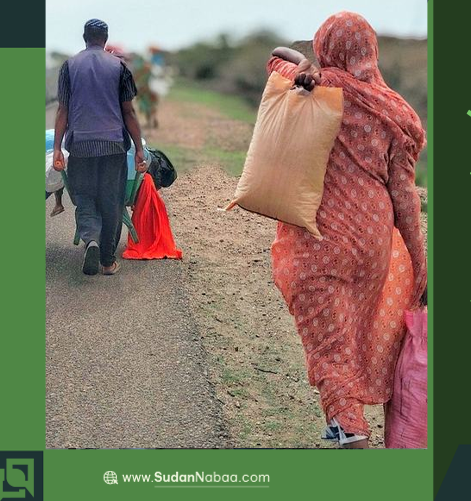
The report added that women and girls, including those with disabilities, remained exposed to sexual violence while fleeing fighting, travelling along displacement routes and passing through checkpoints, as well as while collecting food, water and firewood and during attacks on villages and civilian gatherings.
Regarding detention facilities, the Office said it had obtained verified information about the deaths of at least 104 detainees inside detention facilities linked to the Rapid Support Forces’ control of El-Fasher, between late October 2025 and January 2026. Additional deaths were also recorded at Daqris Prison in Nyala and other detention centres under RSF control.
The report noted that former detainees, their family members and other sources had reported severe overcrowding, chronic shortages of food and drinking water, and a lack of medical care. It explained that detainees suffering from injuries, chronic illnesses and infectious diseases were often denied treatment, contributing to preventable deaths.
The Office said violations inside detention centres included beatings, threats of execution, humiliation, intimidation, coercive interrogation and prolonged detention without allowing contact with families. These practices were aimed at extracting information or punishing individuals suspected of collaborating with the opposing party. It also documented the torture to death of a man by Rapid Support Forces personnel in West Kordofan after he was accused of belonging to the popular mobilisation forces.
The report also highlighted links between some cases of torture and financial extortion, whereby the mistreatment of detainees was used to pressure them or their families into paying money in exchange for their release.
The report added that the Rapid Support Forces arrested between 40 and 50 men, along with a number of women, in Kutum, North Darfur, following the defection of one of its commanders and his joining the army in April. In March, the forces also arrested seven humanitarian workers employed by an international organisation working in the education sector in Zalingei, Central Darfur, accusing them of collaborating with the army. They remained in detention until the end of the reporting period.
The Office also documented cases of civilians being abducted from markets, roads, workplaces and homes, transferred to unknown locations and detained without being allowed to contact their families, while their relatives were demanded to pay ransoms in exchange for their release.
The report said that defections by Rapid Support Forces commanders and subsequent retaliatory operations against communities associated with them had increased the risks of forced recruitment and child recruitment. It noted that the Rapid Support Forces launched recruitment campaigns in Sirba locality, West Darfur, in April, forcing local community leaders to provide fighters and prompting a number of young men to flee to refugee camps in Chad.
#Sudan#Nabaa_Sudan#Nabaa