



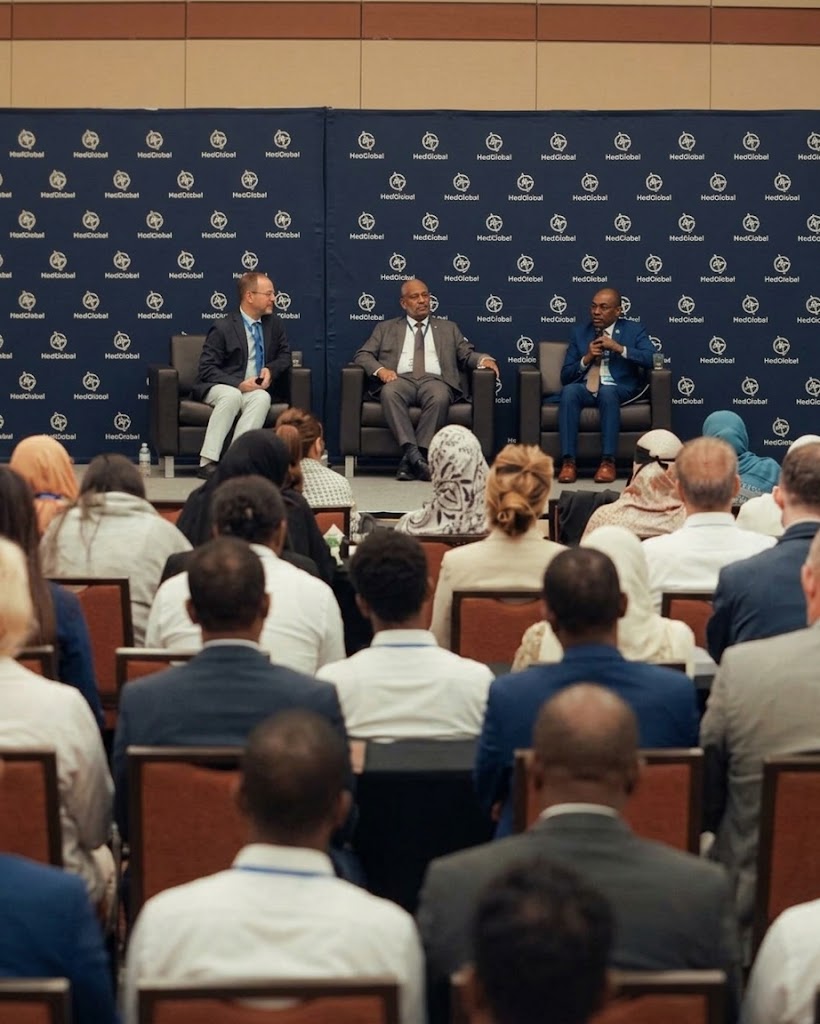


Vice President of the Transitional Sovereignty Council (TSC) Malik Agar stated that the limited participation of women and youth in development represents a pivotal issue that development policies have overlooked for decades. He noted that rural women constitute the backbone of agricultural and livestock production, while youth represent the largest productive force.
In his address at the Rural Development Workshop in Sudan, he asserted that the country’s advancement is tied to uplifting rural areas by directing investments to the least-developed regions based on objective and equitable criteria, and by granting local units the legal and financial authority to manage their developmental affairs effectively.
He stressed the importance of linking rural areas to the national and global economy through improved roads, easier access to markets, development of agricultural value chains, and the promotion of agro-processing industries in production zones. He further affirmed the necessity of involving rural communities in shaping development decisions, noting that this is the core of the Juba Peace Agreement, which enables local components to be genuine partners in determining their future and development.