


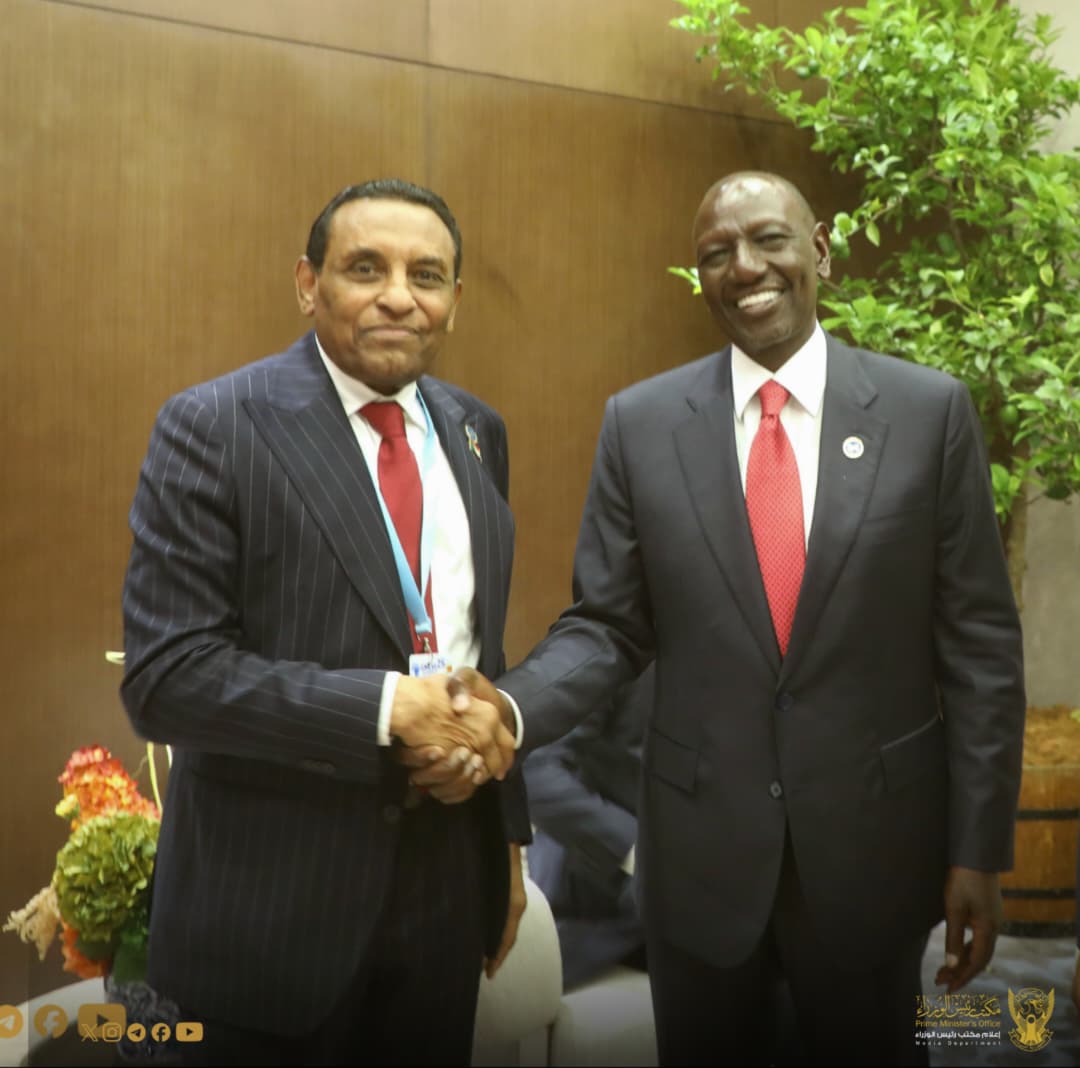


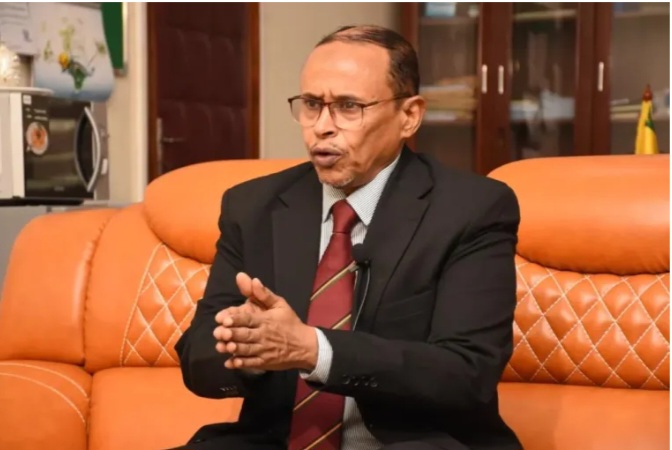
Sudanese Ambassador to Senegal Abdal-Ghani Al-Naeem praised Senegal’s steadfast support for Sudan’s sovereignty and unity, stressing Khartoum’s commitment to expanding bilateral cooperation across various fields.
In an interview with Senegal International Radio, Al-Naeem conveyed Sudan’s appreciation to the government and people of Senegal, under President Bassirou Diomaye Faye, for their support, saying the next phase would focus on expanding cooperation through the exchange of expertise and mutual interests.
He reaffirmed the government’s commitment to protecting its citizens, particularly internally displaced persons (IDPs) and refugees, and providing security and basic services, while working with international and regional organizations to address the humanitarian crisis. He also praised Senegal for its generous reception of Sudanese refugees.
Al-Naeem said Sudan continues to facilitate the work of international humanitarian organizations, including through visa issuance and access, and welcomes peace initiatives, particularly the Jeddah Agreement sponsored by Saudi Arabia and the United States.
He said RSF attacks have displaced large numbers of civilians, some of whom were forced to flee on foot under harsh conditions. He criticized economic sanctions, arguing that restricting Sudan’s resources undermines efforts to provide food and essential services.
The ambassador stressed that Sudan’s vast agricultural land, livestock and water resources give it significant potential for self-sufficiency once stability is restored.
Rejecting the characterization of the war as an isolated internal conflict, Al-Naeem said Sudan is exercising its legitimate right to defend its sovereignty and territorial integrity. “We are not aggressors; we are defending the country’s sovereignty and unity,” he said.
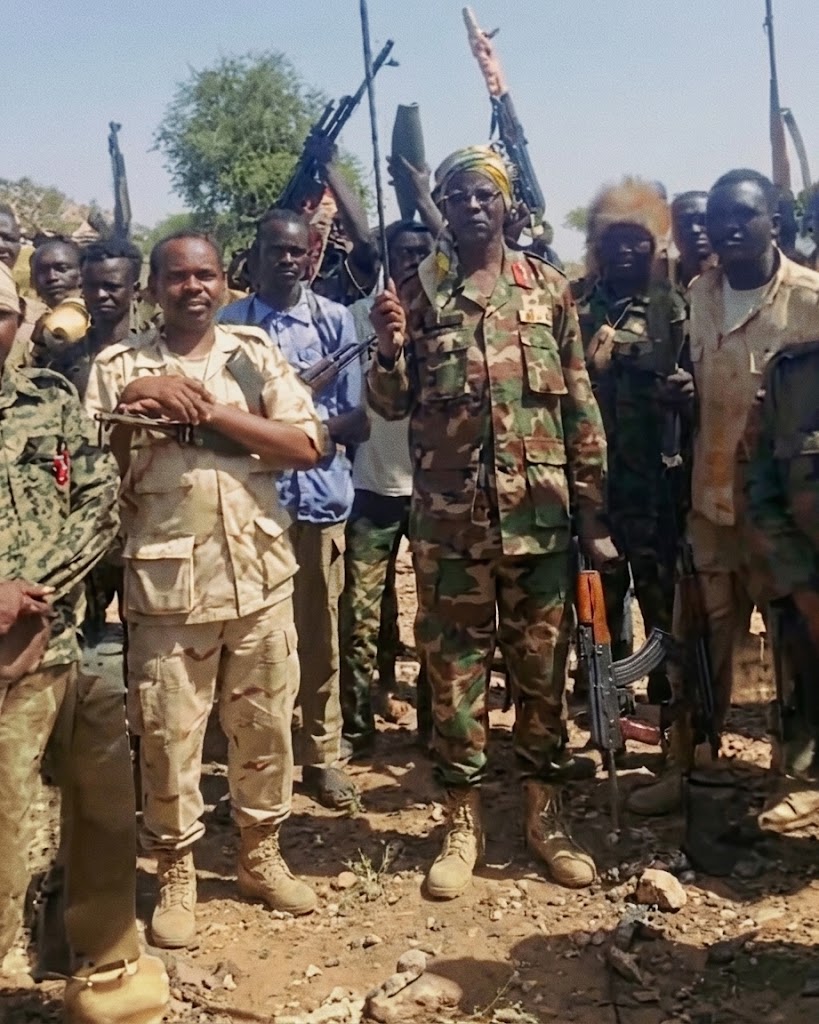
He described the conflict as beginning with a failed RSF coup attempt that developed into a broader assault on the Sudanese state and its citizens. He accused foreign actors, particularly the United Arab Emirates (UAE), of providing military and logistical support to the militia and facilitating arms and supply flows through neighboring countries.
Al-Naeem said international attention has focused heavily on the humanitarian crisis while failing to adequately address responsibility for the conflict and the external support sustaining it. He also cited the involvement of foreign fighters and efforts to gain control of Sudan’s strategic resources, including ports, airports, minerals and agricultural land.
On peace efforts, he highlighted the initiative presented by TSC President Gen. Abdel Fattah Al-Burhan to the UN General Assembly, along with the detailed initiative put forward by Prime Minister Prof. Kamil Idris.
The ambassador accused the RSF of widespread destruction and looting of civilian infrastructure, including hospitals, libraries and national institutions, and cited atrocities in Al-Geneina and El-Fasher as grave crimes that he said amount to genocide.
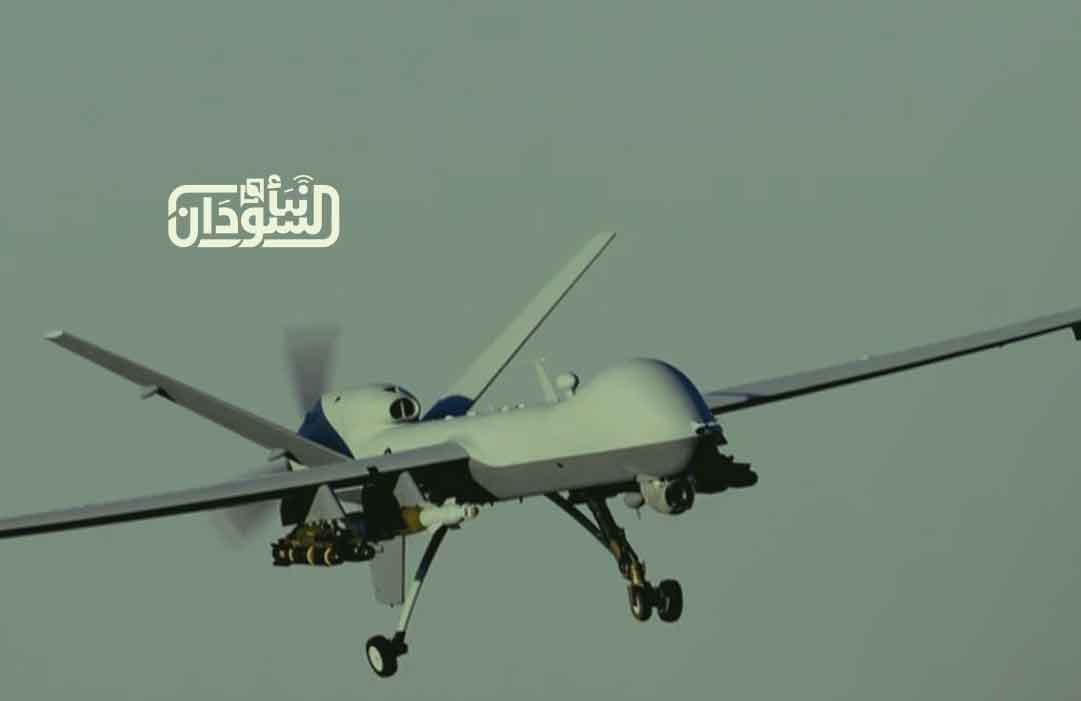
He criticized the response of regional and international organizations as inadequate, calling for clearer accountability and stronger action to establish the facts and address the external support enabling the militia to obtain advanced weaponry.
#Nabaa_Sudan#Sudan