







Baku (Nabaa Sudan) – Director-General of the Digital Transformation Authority, Dr. Ahmed Al-Ageed, has affirmed that Sudan is adopting digital transformation as a key driver of reconstruction and national recovery, describing it as the fastest and least costly way to restore government services and rebuild institutional capacities amid the challenges imposed by the war.
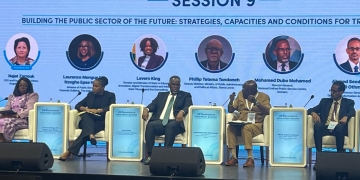
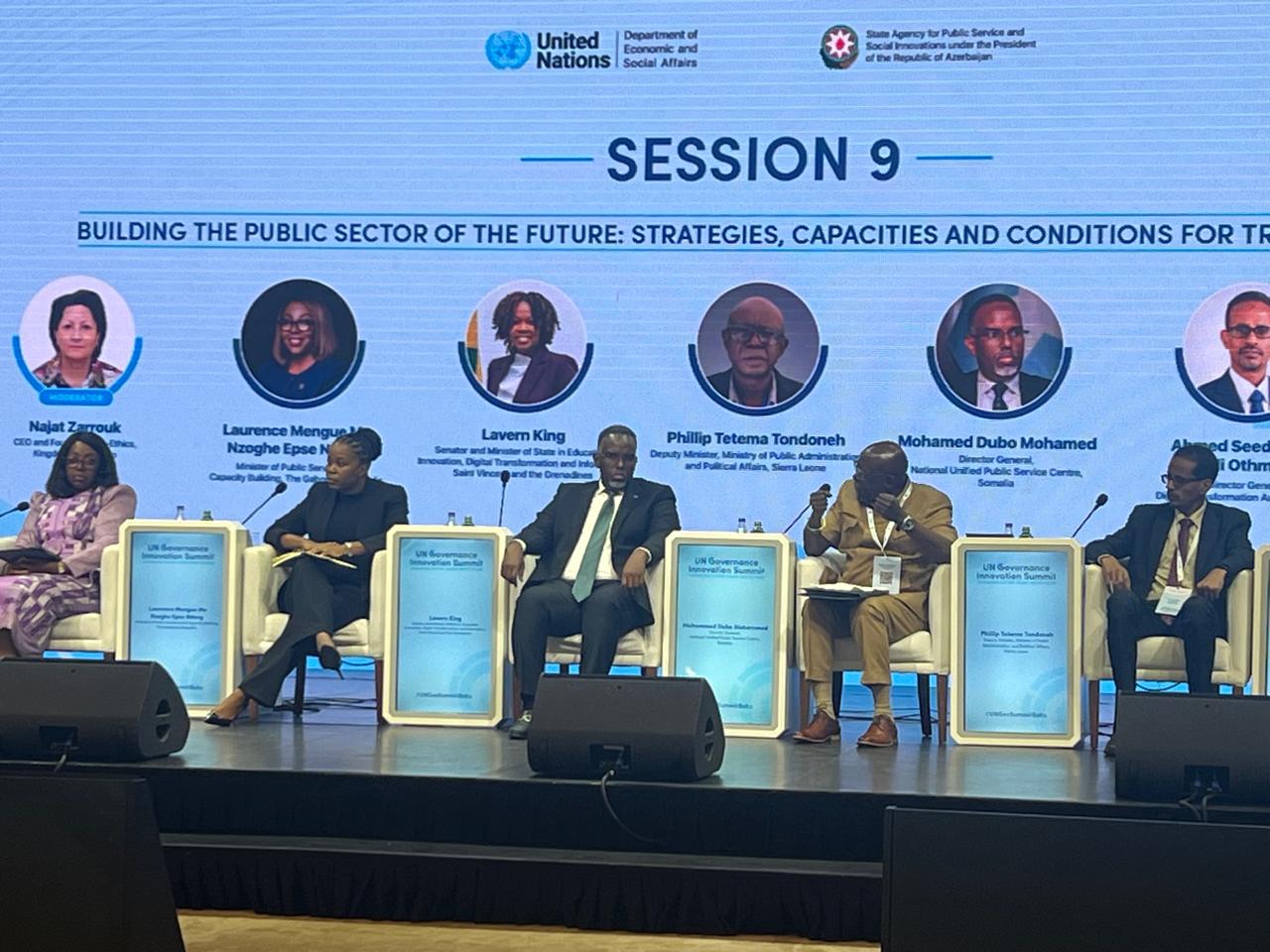
He made the remarks while representing the Government of Sudan at the 2026 United Nations Summit on Governance Innovation in the Azerbaijani capital, Baku, during a session entitled “Building the Public Sector of the Future: Strategies, Capabilities and Requirements for Transformation,” attended by a number of ministers and senior government officials.
Dr. Al-Ageed opened his remarks by questioning whether the current circumstances in Sudan were conducive to digital transformation and innovation in public services. He stressed that exceptional circumstances were not a reason to postpone digital transformation; rather, they made the need for it more urgent.
He explained that Sudan had adopted a practical approach focused first on putting services into operation and restoring their delivery, followed by completing the legislative and regulatory frameworks. In this regard, he noted that laws governing digital transformation, cybersecurity, data and artificial intelligence had recently been enacted.
Dr. Al-Ageed also highlighted the experience of the Baldna platform, which brings together more than 46 government institutions and provides 134 digital services. He explained that priority in developing the platform had been given to services with a direct impact on citizens' livelihoods and economic activity, stressing that the success of digital transformation should be measured by the value it delivers, rather than the scale of technology deployed.
Dr. Al-Ageed underscored the importance of communication and effective engagement among government institutions, as well as establishing a sense of collective ownership of the digital transformation process. He emphasized that there was no single model of government innovation suitable for all countries, and that successful solutions must be shaped by each country's realities and challenges.
He also highlighted the role of federal and state digital transformation councils in strengthening coordination and institutional engagement, alongside the importance of developing integrated and resilient digital infrastructure capable of ensuring the continuity of services during crises.
Dr. Al-Ageed concluded by stressing that reconstruction should not simply mean restoring what existed before the war, but should instead provide an opportunity to build a more efficient, integrated and resilient government. He called for digital transformation to serve as a driver of reconstruction, rather than a project that waits for reconstruction to be completed.
#Sudan#Nabaa_Sudan#Nabaa