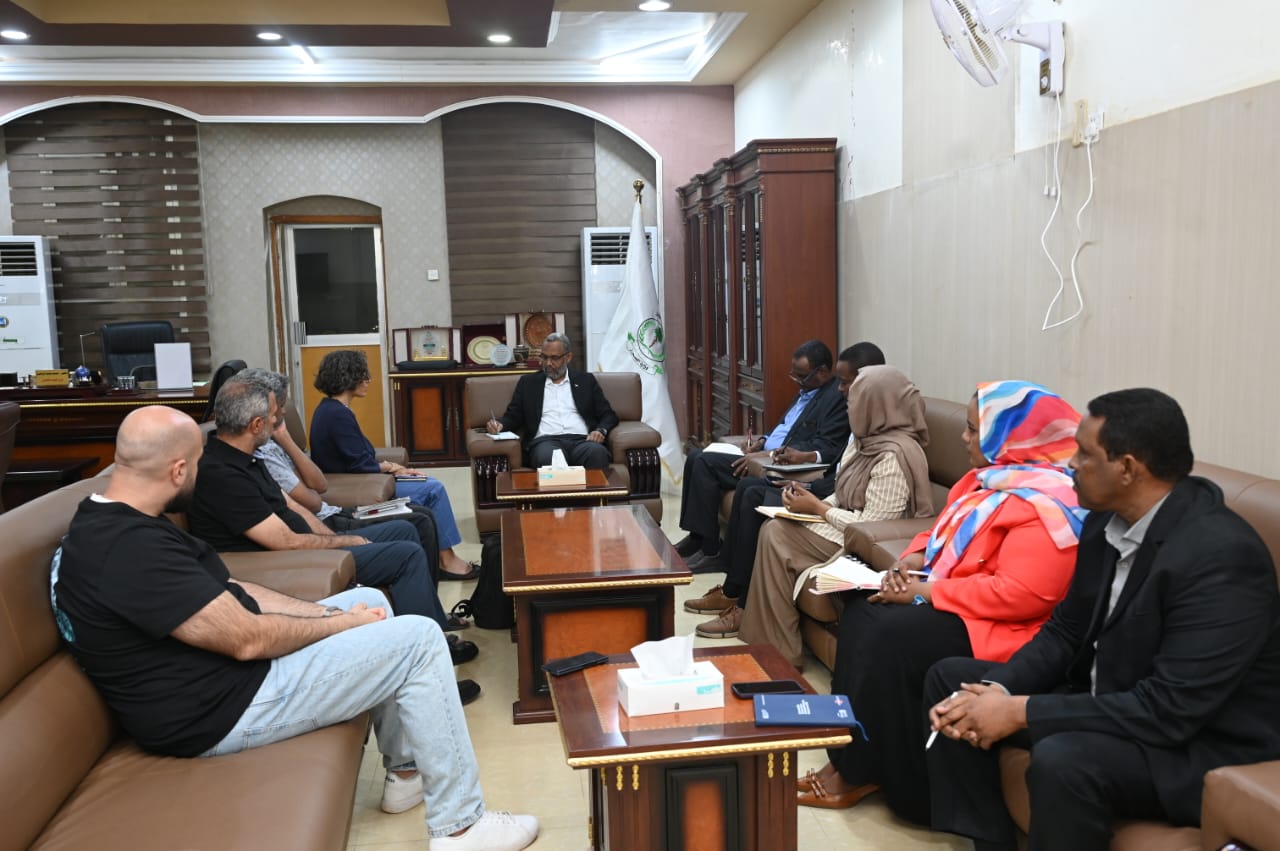


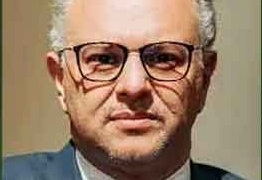


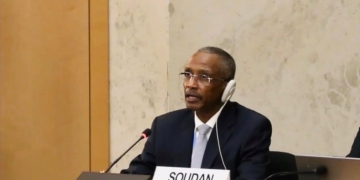


Khartoum, (Nabaa Sudan) – Coordinator of the International Liaison Office with International and Regional Countries and Organizations at the Sudan Dialogue Preparatory Committee, Dr. Mohamed Al-Munir, held an extensive meeting with a high-level Norwegian diplomatic delegation at the committee’s headquarters in Khartoum on Monday evening.
He welcomed the visit by the Norwegian delegation, headed by Ms. Marthe Lea Torskenæs, Minister Plenipotentiary and Head of the Norwegian Mission to Sudan, accompanied by Mr. Bent Bakken, who is responsible for international relations and coordination.
The meeting was extended, with the delegation inquiring about the committee’s mandate, the nature of its work and the progress it has made at this stage.
For its part, the Norwegian mission stressed the importance of the dialogue being exclusively Sudanese-Sudanese and conducted inside Sudan, a principle to which the committee remains committed. The Norwegian ambassador highlighted her country’s long history of facilitating international dialogues, stressing that a military solution or exclusion would not bring stability, and that Norway’s experience was available to support the dialogue. The delegation expressed Norway’s readiness to place its capabilities at the service of the dialogue’s success.
Responding to questions about the inclusion of all parties, Dr. Al-Munir explained that Sudan is experiencing exceptional circumstances as a result of the war. Under normal circumstances, elections would be the governing mechanism, but the committee is making every effort to ensure the broadest possible representation. He noted that comprehensive outreach has included:
• Native administrations: Meetings with tribal nazir and omdas from the east, north, west and south.
• Religious and social figures: Representatives of religious houses, Sufi orders and administrative units.
• Political and civil entities: Broad participation by political parties and forces.
• Internally displaced persons (IDPs) and refugees: Visits to displacement camps inside Sudan and communication, through communication technologies, with representatives of refugees in neighboring countries, with field visits being prepared.
Al-Munir noted that the dialogue focuses on the political track but directly serves efforts to end the war, as addressing the roots of the crisis through dialogue provides the parties to military negotiations with coherent perspectives that support a ceasefire.
He reaffirmed that the committee does not impose a specific agenda, but seeks genuine solutions whose outcomes are the exclusive property of the Sudanese people.
Regarding guarantees for implementation, Al-Munir stressed that the will of the Sudanese people is the fundamental guarantee for exerting pressure on all authorities, political parties, and military and political entities to implement the provisions of the agreement.
The committee welcomed international expertise and observers and the benefit of international experiences, provided that the dialogue’s national character is not undermined and that there is no interference in directing its decisions.
He also referred to the discussion of humanitarian relief, which is not part of the committee’s direct agenda. However, the committee used the meeting to convey a first-hand picture of the suffering of IDPs inside the camps.
Al-Munir noted that rainfall this year was below the expected level, warning that this could lead to a decline in food production and affect the availability of commodities, particularly for IDPs.
The committee called on the international community to stand firmly with Sudan and fulfill its humanitarian obligations toward those affected by the war.
Sudan #Nabaa_Sudan #Nabaa