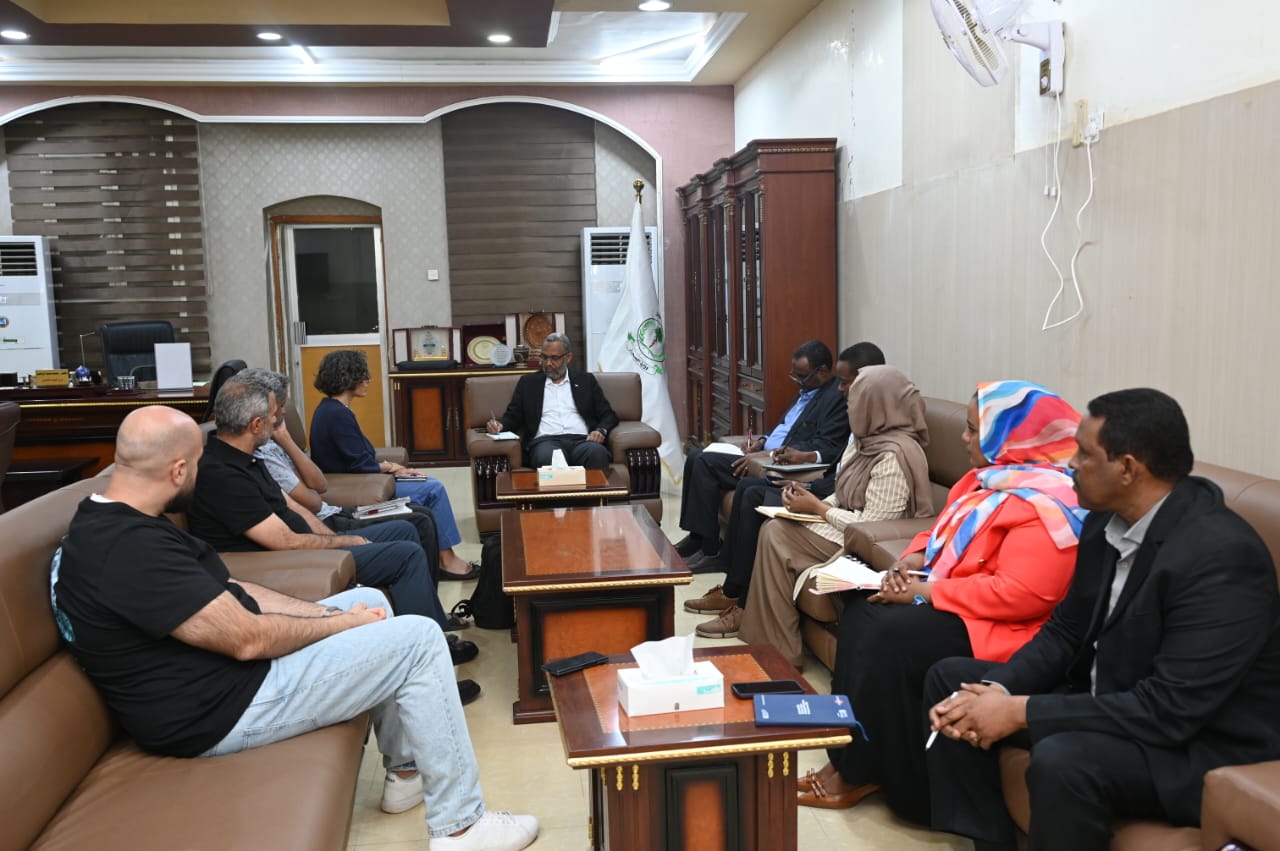


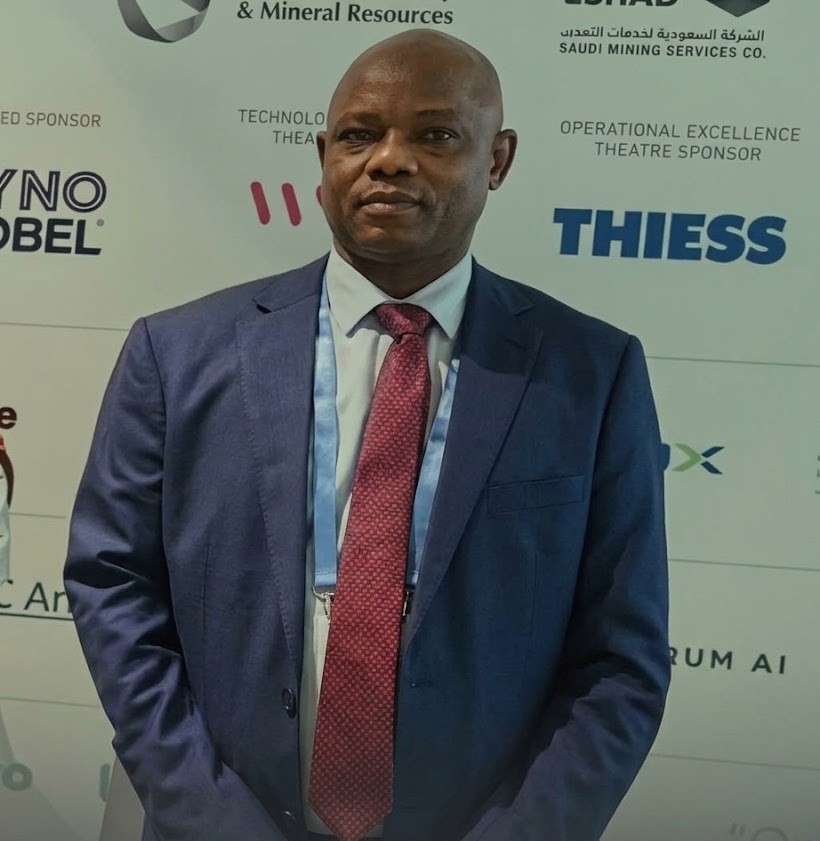
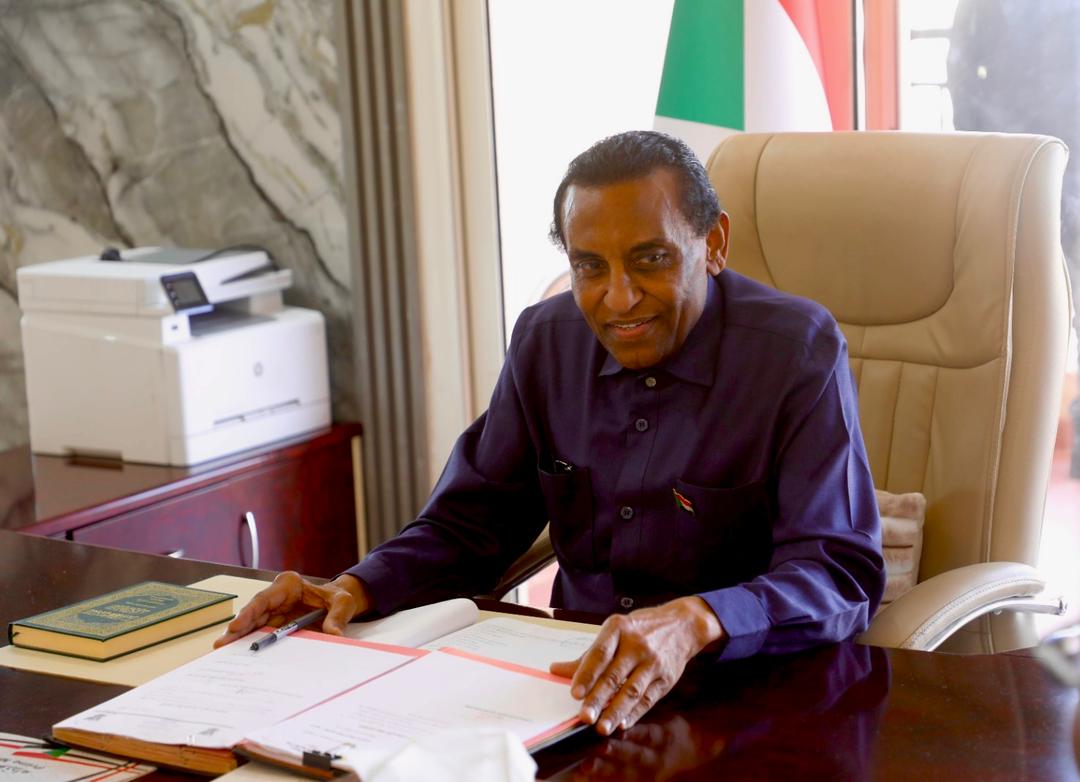


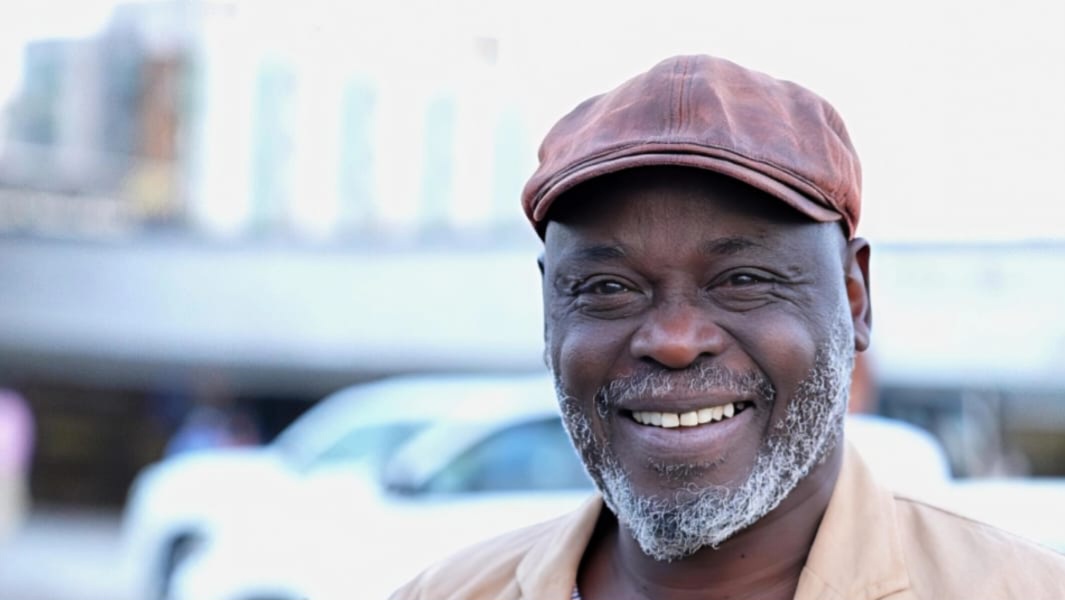
Khartoum (Nabaa Sudan) – Sudanese writer and novelist Abdelaziz Baraka Sakin, a member of the Sudanese-Sudanese Dialogue Preparatory Committee, said the Sudanese crisis requires serious national dialogue among political and civil forces of diverse orientations to agree on a strategic vision for the country’s future, away from the struggle for power and the allocation of positions. He warned that military rule could be reproduced if civilian forces fail to reach an agreement on how to govern the country.
In a press statement on Wednesday, Baraka Sakin said Sudanese people had not, throughout their political history, held sufficient and serious dialogue bringing together different political currents to discuss how to govern the country and address the root causes of its crises. He noted that each political group often interprets the causes of the crisis from its own perspective and holds other parties responsible.
He added that resolving the crisis requires moving beyond partisan differences and narrow interests and developing a national project shaped by political forces, civil society and intellectuals, in a way that brings about genuine change in the country’s trajectory rather than merely redistributing power or changing the positions held by individuals.
Baraka Sakin criticized what he described as the failure of civilian forces to build a strategic consensus capable of preventing the military from returning to power. He cited Sudan’s experience with military coups, beginning with the rule of Ibrahim Abboud, followed by Jaafar Nimeiry and culminating in the regime of Omar Al-Bashir. He said divisions and political conflicts among civilian forces had helped create conditions for the return of military rule at various stages.
He stressed that the role of the armed forces should be limited to protecting the country and its citizens and safeguarding its sovereignty, rather than governing. He noted that the December Revolution called for the military to return to the barracks and for civilian rule to be established, but disagreements that followed the revolution prevented this goal from being achieved.
Regarding the ongoing war, Baraka Sakin said he rejected war in principle while emphasizing the Sudanese people’s right to defend themselves and their country against attacks.
He also pointed to what he described as foreign interference in the war, including the involvement of foreign parties and fighters from outside Sudan, alongside Sudanese nationals fighting in the ranks of the Rapid Support Forces (RSF) militia.
Baraka Sakin called for distinguishing between political positions on the war and partisan affiliations, explaining that opposition to Al-Bashir regime and the Islamic Movement does not, in itself, imply hostility toward the Sudanese people or the armed forces. He reaffirmed his continued opposition to military rule.
On the role of writers and creative professionals in the coming period, Baraka Sakin said discussions about intellectuals’ responsibility to promote peace and stability should be preceded by genuine concern for their circumstances. He noted that many live abroad under difficult living conditions and that the lack of support and care limits their ability to contribute to resolving the national crisis.
He added that calls for creative professionals to offer ideas and contribute to resolving the crisis must be accompanied by efforts to create conditions that enable them to fulfil their role, listen to their views and respect freedom of expression, even when their positions differ from those of others.
Baraka Sakin stressed the importance of involving writers, intellectuals and artists in the national debate as part of efforts to overcome polarization and promote peace. He called for Sudan’s future to be built on national consensus and respect for pluralism, away from exclusion and the struggle for power.
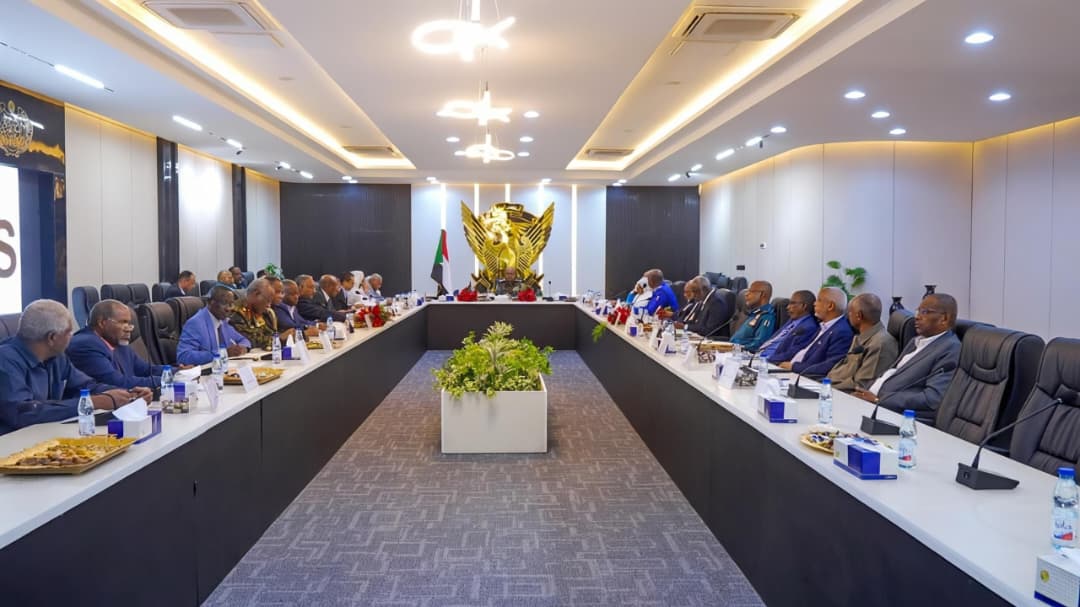
Sakin returned to Sudan on Wednesday after nearly 15 years abroad, having lived in various countries, to support the efforts of the Sudanese Dialogue Preparatory Committee to bring together all political and social constituencies.
#Sudan #NabaaSudan #Nabaa