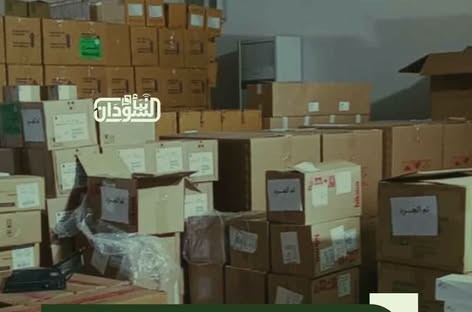





KHARTOUM (Nabaa Sudan) – A scientific study published in the Eastern Mediterranean Health Journal in 2026 documented the continued provision of medicines and medical consumables by Sudan’s National Medical Supplies Fund (NMSF) during the war, despite losses exceeding $500 million, the loss of more than 130 vehicles, and damage to warehouses and information systems.
The study, titled Experiences and Lessons on the Resilience and Sustainability of the Health Supply Chain During the War in Sudan, found that the fund managed to receive and distribute more than 27,600 tonnes of medicines and medical consumables valued at $123 million, reaching approximately 90 percent of functioning health facilities in accessible areas across 17 states.
According to the study, the NMSF restored 70 percent of its cold-chain capacity lost during the early months of the war. Storage, transportation and distribution operations faced complex security and logistical challenges following the outbreak of fighting in April 2023.
The study also recorded improvements in the availability of several essential medicines and medical supplies in 2024 compared with 2023, including cancer medicines and dialysis supplies. It attributed these improvements to measures such as diversifying supply routes, strengthening storage capacity and distributing medicines through regional centers.
The study examined the experience of the medical supplies system as a case study of the ability of health supply chains to remain operational under conflict conditions. It noted, however, that sustaining these efforts remains dependent on addressing challenges related to funding, security and information flows, alongside providing the necessary support to ensure the continuity of supplies.
The findings highlight the scale of the challenges facing medicine provision in Sudan during the war. They also underscore the importance of maintaining functioning supply chains to ensure that life-saving medicines reach health institutions and the public, particularly in areas where services have been disrupted by fighting, blocked roads and damaged infrastructure.
Sudan#Nabaa_Sudan#Nabaa