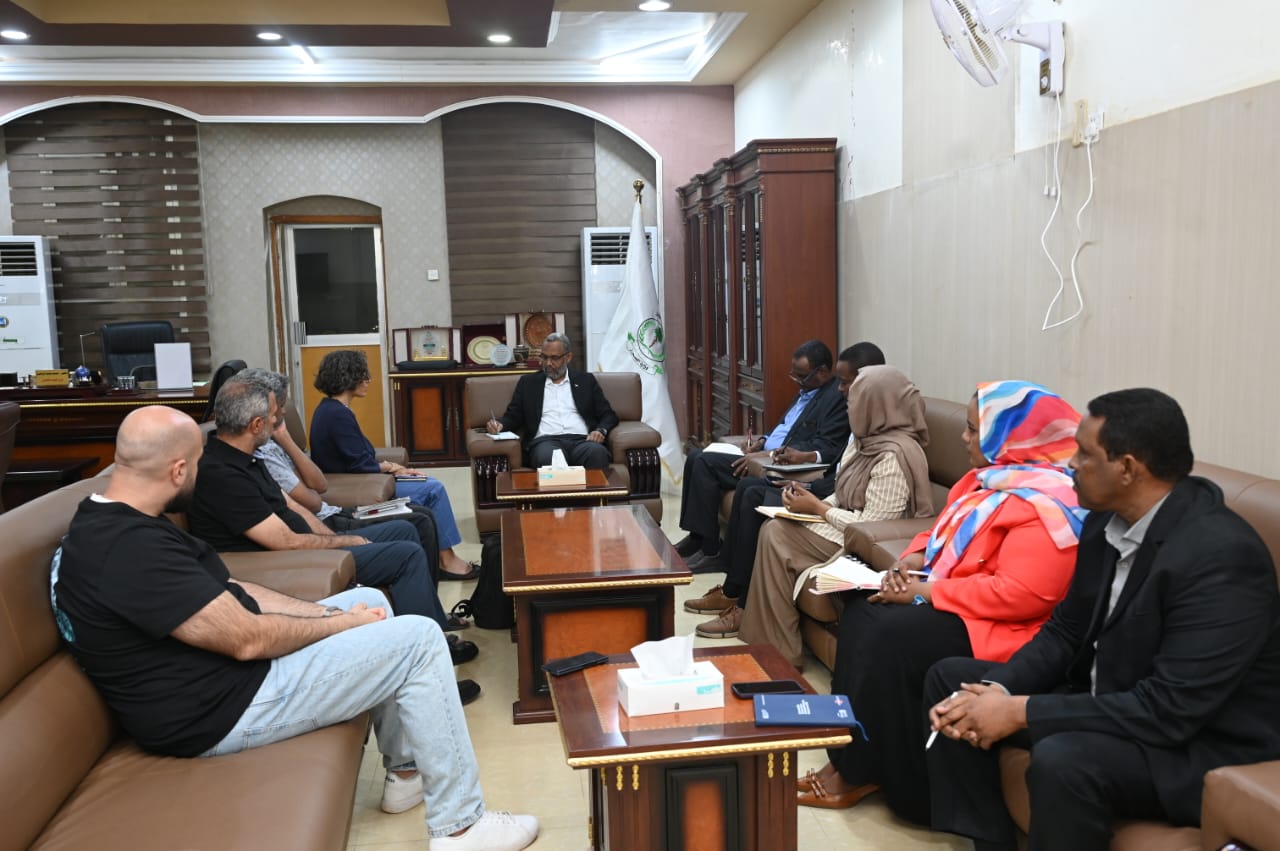
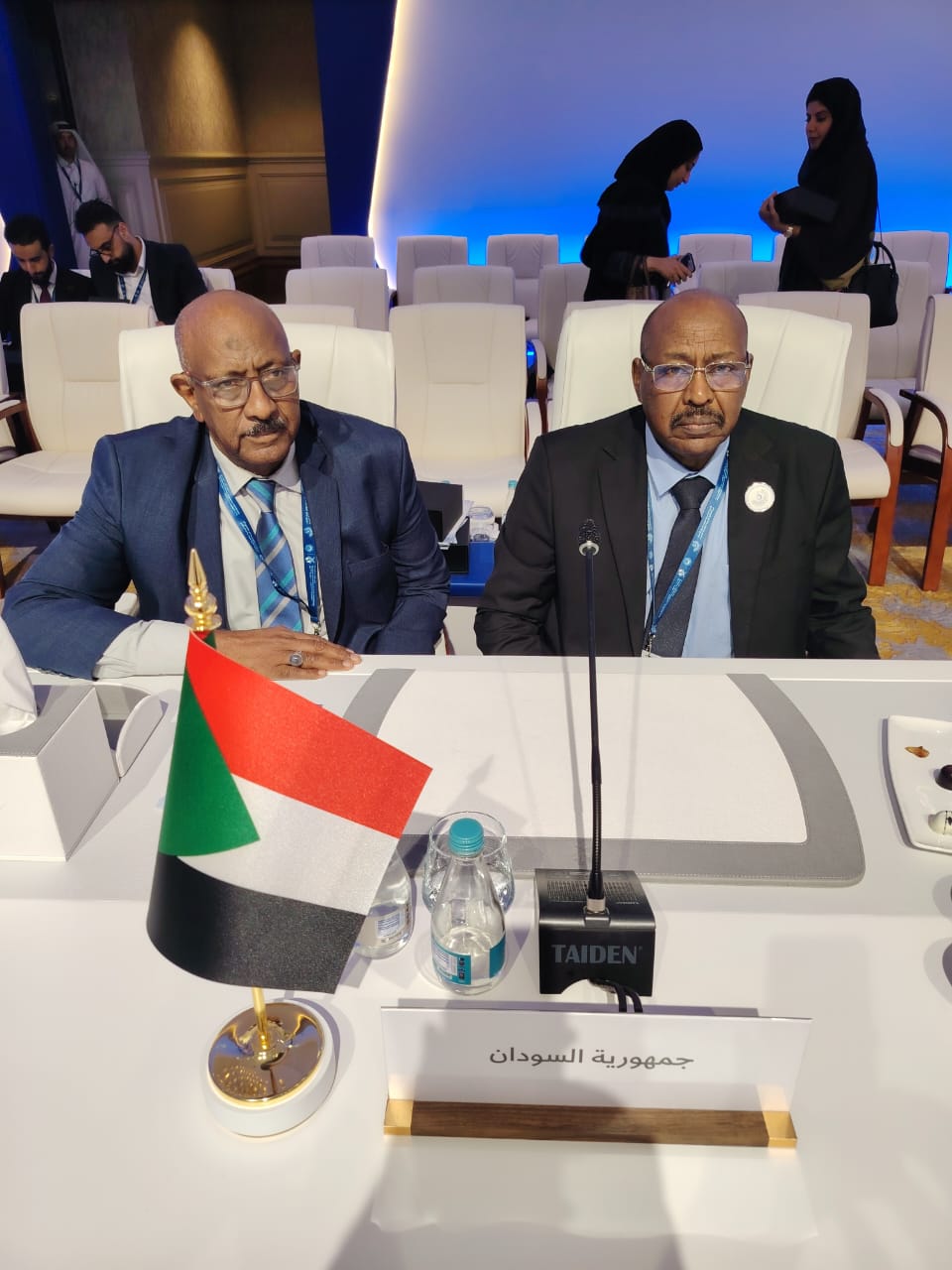
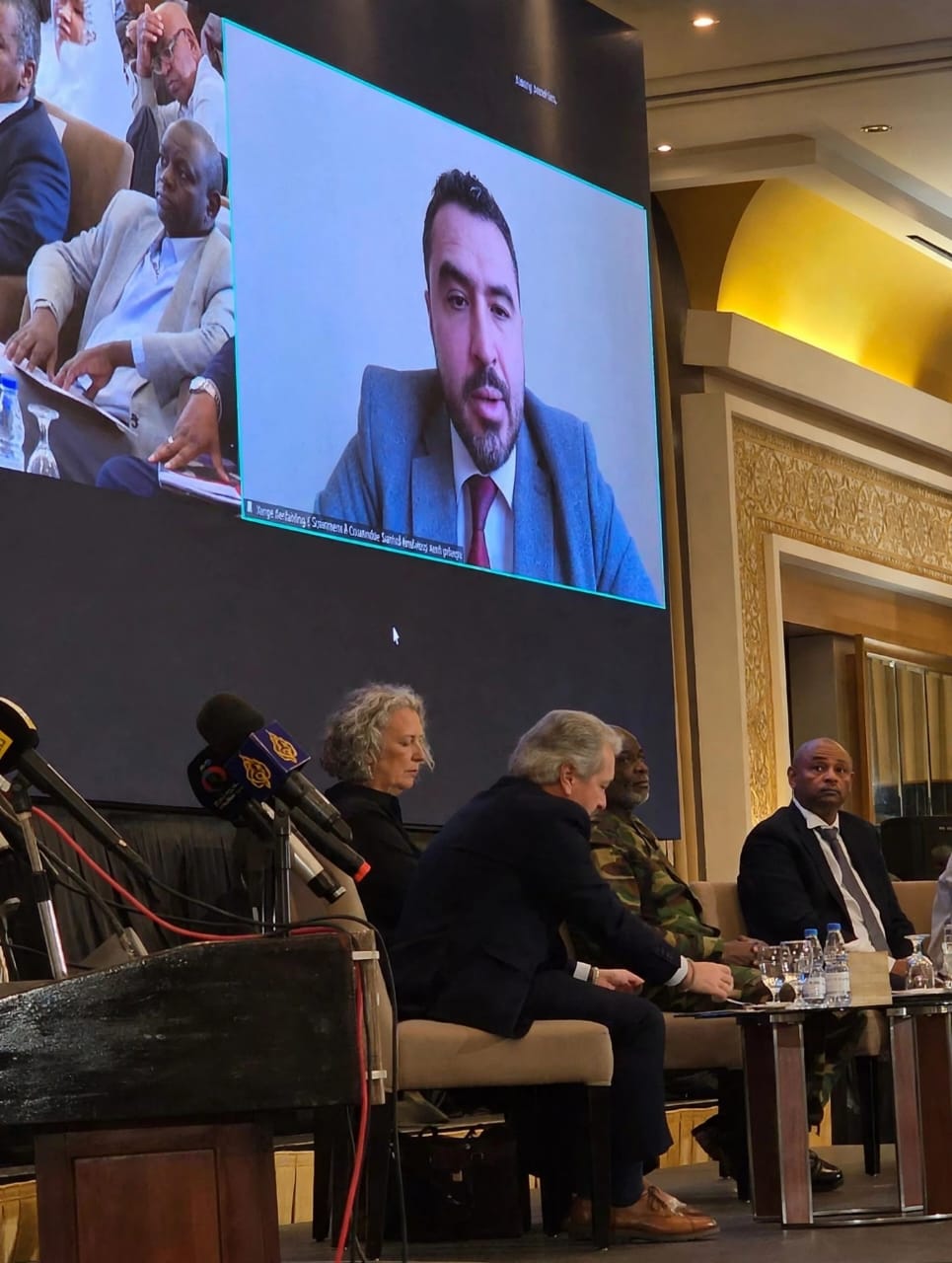




Khartoum, (Nabaa Sudan) – Acting Undersecretary of the Ministry of Finance, Dr. Mohamed Ali Jumaa, on Wednesday read out the final recommendations of the Dialogue on Private Sector Recovery in Sudan, held in Khartoum from September 21 to 23, with the participation of the government, development partners, and representatives of the private sector.
The recommendations called for continued dialogue and coordination among the government, development partners, and the private sector, and for the establishment of effective joint mechanisms to ensure the continuity of this dialogue, while opening direct and regular channels to discuss challenges, identify priorities, and develop appropriate solutions through the preparation and implementation of urgent, short-, medium-, and long-term plans.
They recommended supporting the private sector in accessing financing from international and regional institutions by encouraging and facilitating local and international partnerships with financial institutions, insurance companies, and relevant entities.
The recommendations also called for creating an attractive and stable investment environment to enhance the success of investments by providing further facilities to investors, improving the investment climate through simplifying procedures, updating and developing laws and legislation, activating the one-stop-shop system, and expanding the use of technology and digital transformation to facilitate procedures.
They further called for providing the necessary incentives to encourage the private sector to enter into partnerships with the government across all vital sectors.
The recommendations included providing essential infrastructure, particularly roads, energy, water, and telecommunications, in a manner that contributes to reducing production costs, improving the business environment, and encouraging domestic and foreign investment.
They also called on national financing institutions to expand financing for productive sectors.
The recommendations called for developing the institutional, financial, and technical capacities of the private sector to enable it to enter into partnerships and establish entities and institutions that are more capable, efficient, and competitive, thereby enhancing the use of resources and expertise, increasing access to financing and markets, and supporting the sector’s effective participation in reconstruction and economic development projects.
They also stressed the need to pay attention to small-scale investors, particularly young people and women, and to work to strengthen their financial, institutional, and technical capacities, while providing them with access to financing, markets, and support services to enable them to expand their productive activities and enhance their contribution to the national economy.
The recommendations called for strengthening the role of the private sector in capitalizing on Sudan’s comparative advantages, with a focus on food production and processing for domestic and international markets, with the aim of increasing production and exports, achieving food security, and opening new markets for Sudan, particularly following the events in the Strait of Hormuz.
They also called for joint coordination among partners to market and promote the comparative advantages of Sudanese products in global markets.
Sudan#Nabaa_Sudan#Nabaa#