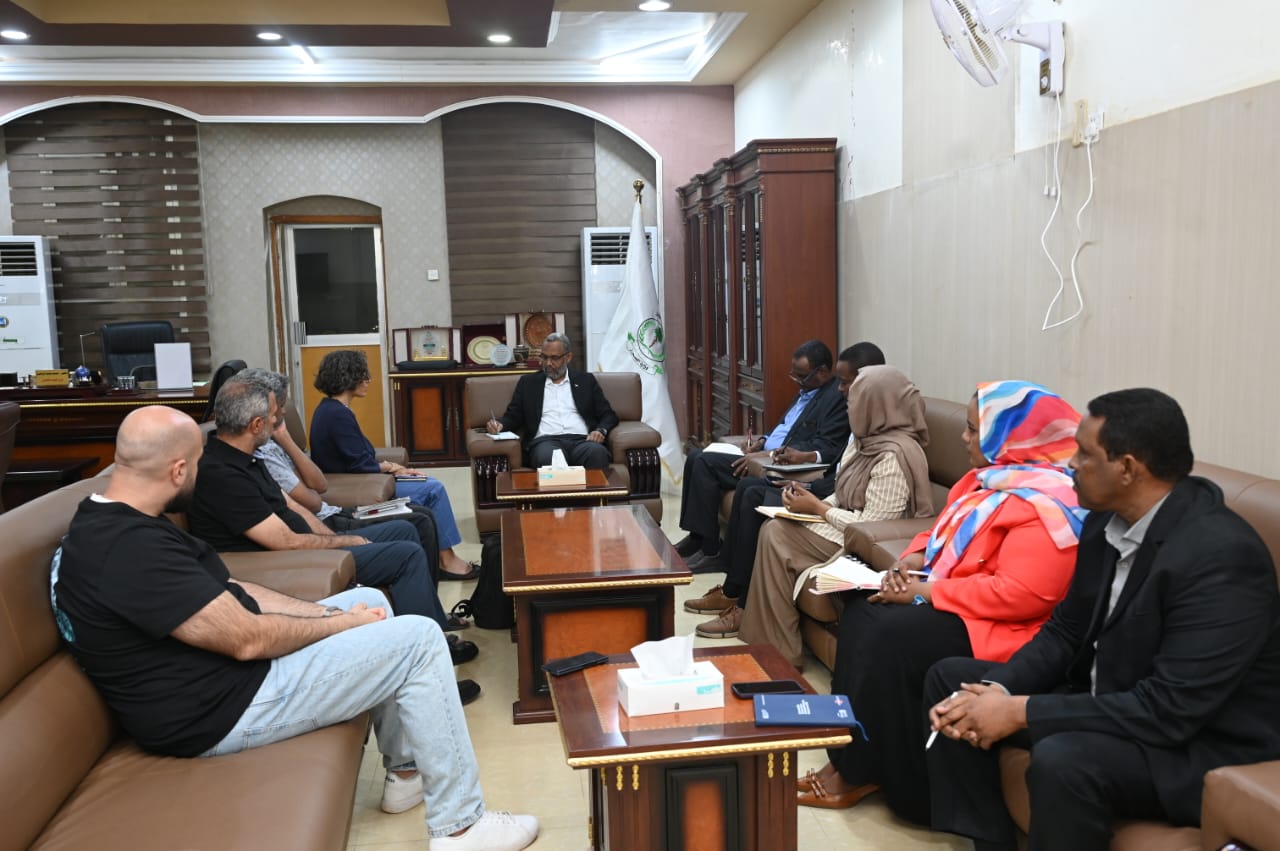
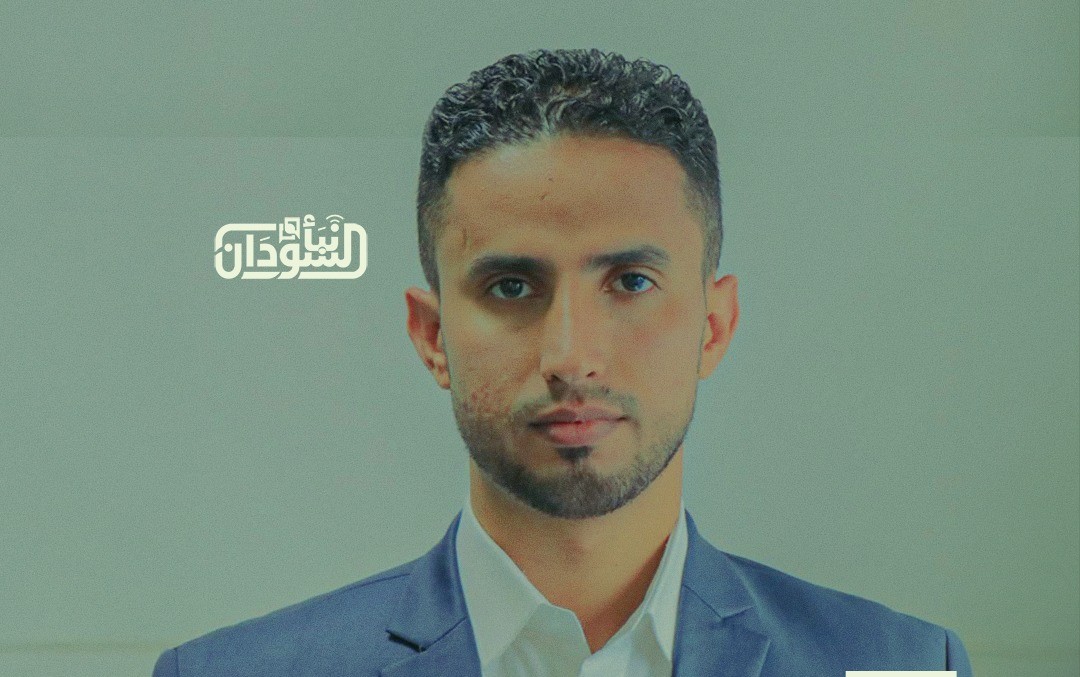
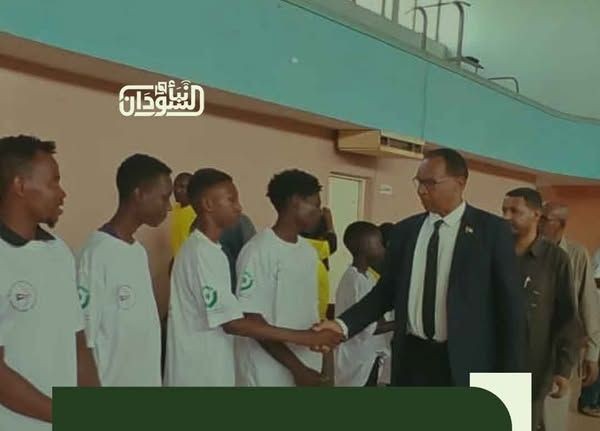


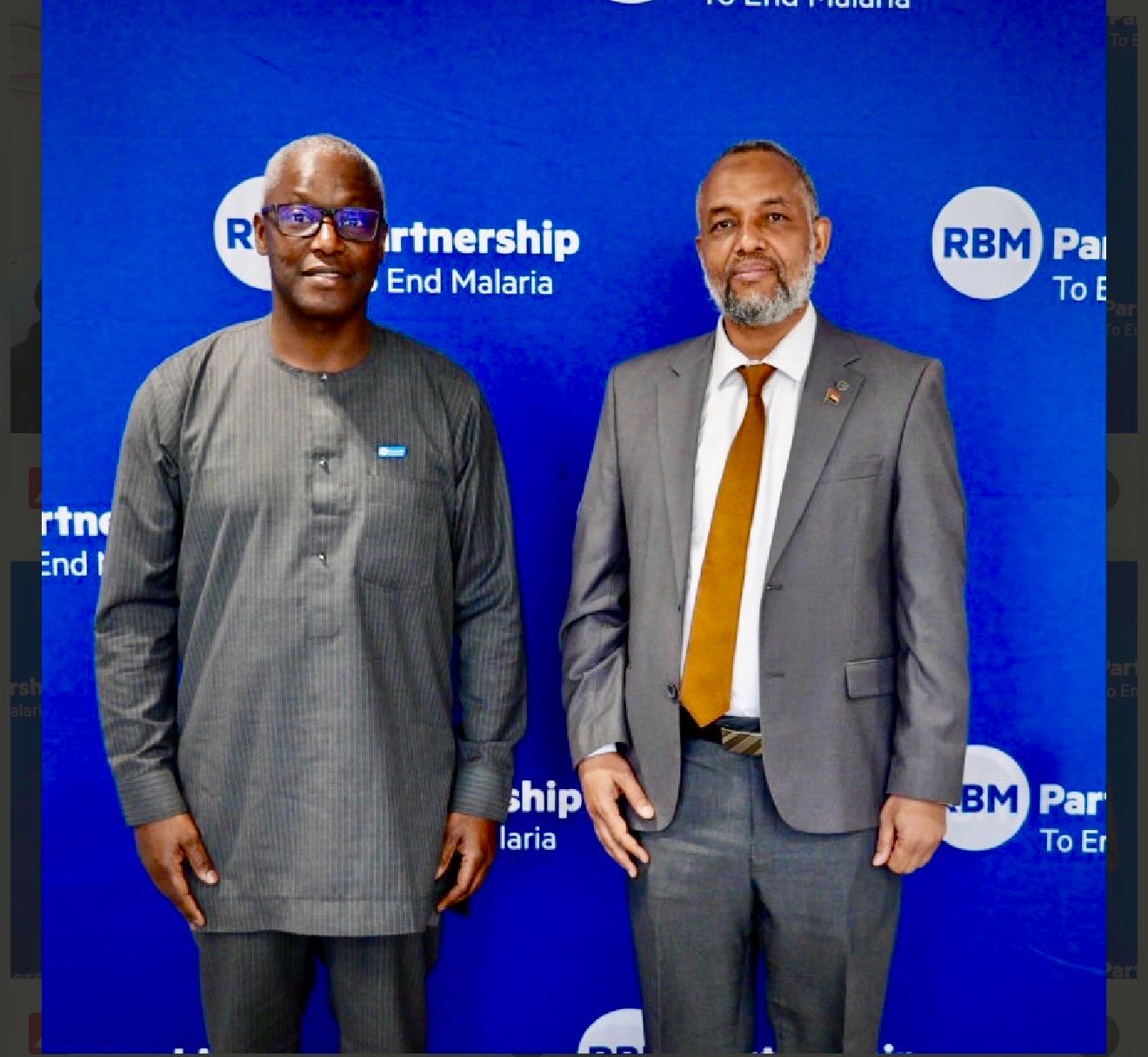
The Federal Minister of Health, Dr. Haitham Mohamed Ibrahim, met with representatives of the Roll Back Malaria (RBM) Partnership to End Malaria, a global initiative coordinating efforts to combat malaria, to discuss support for Sudan’s malaria control programme on the sidelines of the 79th World Health Assembly.
The minister said malaria remains one of Sudan’s most pressing public health and humanitarian challenges, particularly among children and mothers, despite ongoing national and partner interventions to reduce infections and deaths.
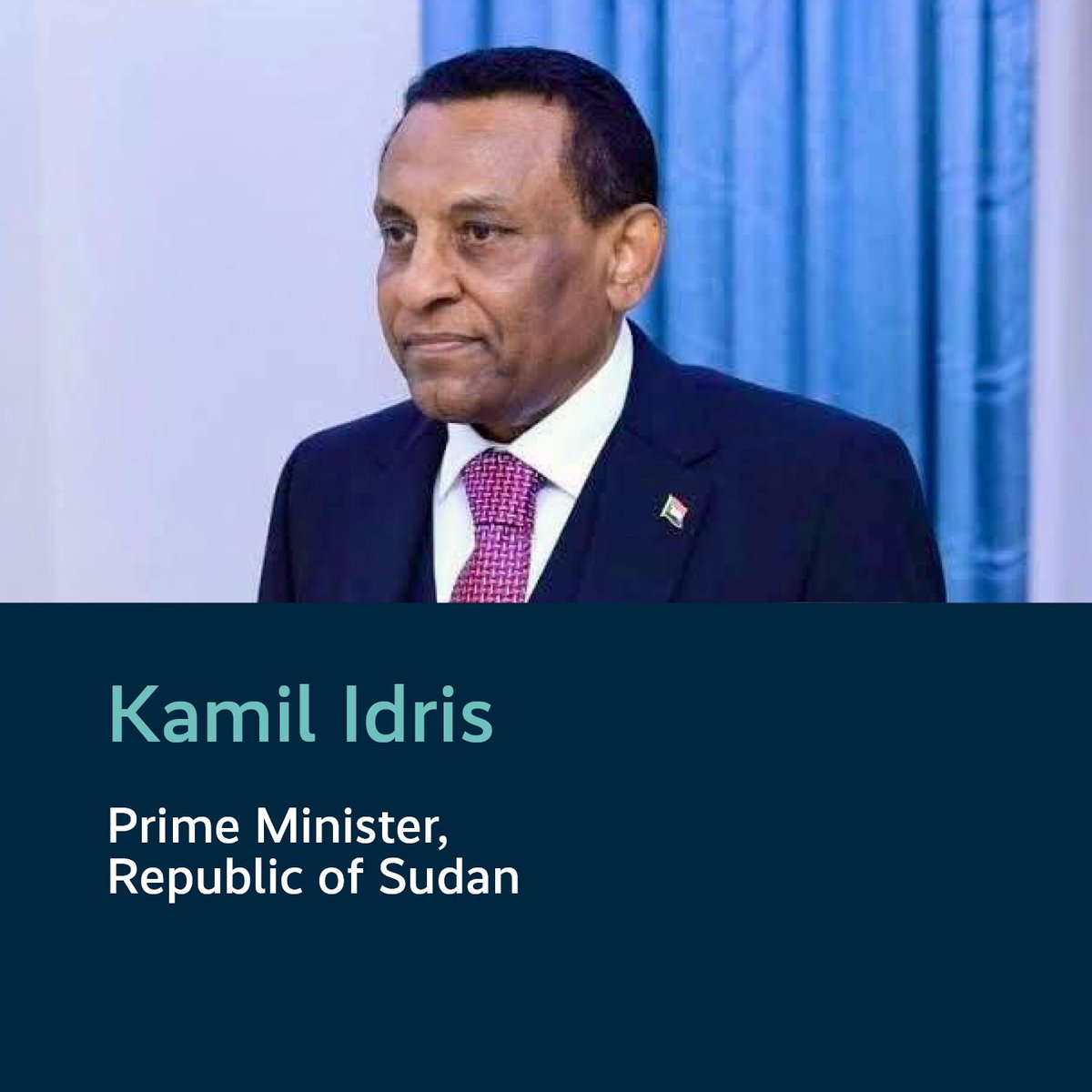
He highlighted the launch of the “Towards a Malaria-Free Sudan” initiative, supported by the Prime Minister, as a national framework to mobilize government action, community engagement, and technical and financial partnerships.
Prof. Haitham outlined key interventions, including distribution of insecticide-treated mosquito nets, vector control campaigns, health outreach programmes, introduction of a malaria vaccine, and indoor residual spraying (IRS) using long-lasting insecticides. He noted that around 15 million mosquito nets have been distributed, including in hard-to-reach areas.
He also pointed to cooperation with the Gezira Scheme to strengthen vector control activities, particularly spraying operations, as part of broader multisectoral collaboration involving agriculture and other sectors.
He stressed that malaria control requires an integrated, data-driven approach and coordinated action across health, agriculture, finance, education, and local government sectors.
For its part, the RBM Partnership praised Sudan’s political commitment to malaria control despite complex humanitarian and operational challenges, reaffirming its readiness to continue providing technical support, advocacy, and resource mobilization.
The partnership said it is working with Sudan’s National Malaria Control Programme, including support for the midterm strategy review, preparation of Sudan’s application under the Global Fund’s Eighth Replenishment cycle (GC8), and assessment of commodity needs.
The meeting also discussed support for a national malaria indicator survey, last conducted in 2016, strengthening vector surveillance, and monitoring the effectiveness of rapid diagnostic tests amid technical challenges linked to gene deletions affecting diagnosis.
It further emphasized the need to scale up international advocacy and mobilize additional funding, including exploring innovative financing mechanisms and linking malaria control with primary healthcare and universal health coverage priorities.
The meeting concluded with an agreement to continue coordination between the Ministry of Health and the RBM Partnership to End Malaria, providing technical and resource mobilization support to Sudan to advance the “Towards a Malaria-Free Sudan” initiative, reduce disease burden and mortality, and support health system recovery.
#Sudan-Nabaa#Sudan
Follow Nabaa Sudan channel on WhatsApp:
https://whatsapp.com/channel/0029VaG1qJ2FHWpuSTsncX43
https://www.facebook.com/share/p/1DvWiGjnnu/