



Amani Al-Tawil has crossed the boundaries of decency and objective political analysis, descending into the realm of what can only be described as “scientific racism” through rhetoric wholly detached from reality.
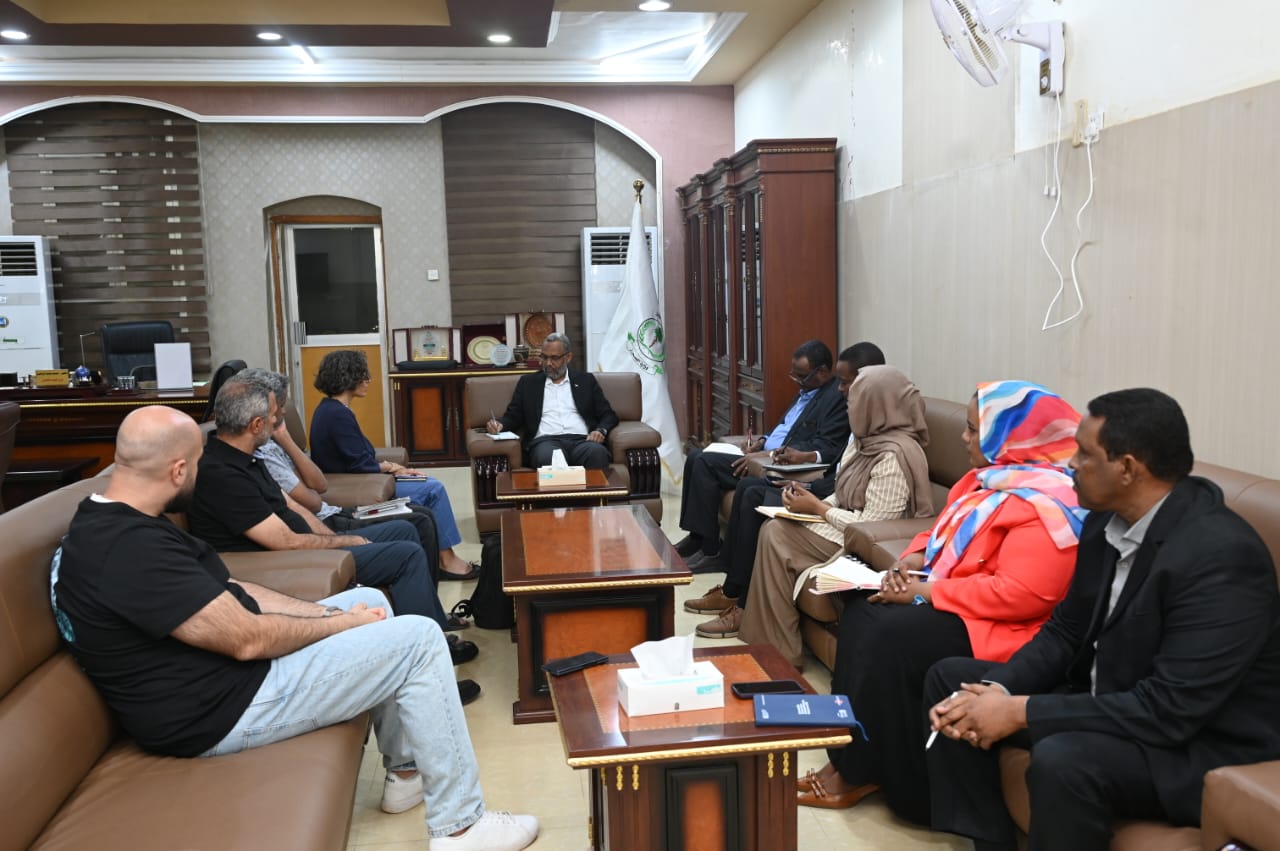
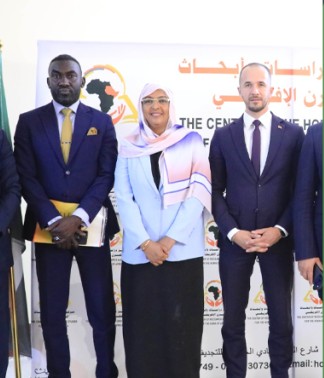
Speaking at a closed seminar at the TRENDS Research & Advisory Center in the United Arab Emirates (UAE) before officials responsible for the Sudan portfolio, she sought to portray Sudan's crisis as stemming from a supposedly “Negroid” or “primitive” nature—an outdated colonial trope long used to demonise peoples and justify foreign intervention in their affairs.
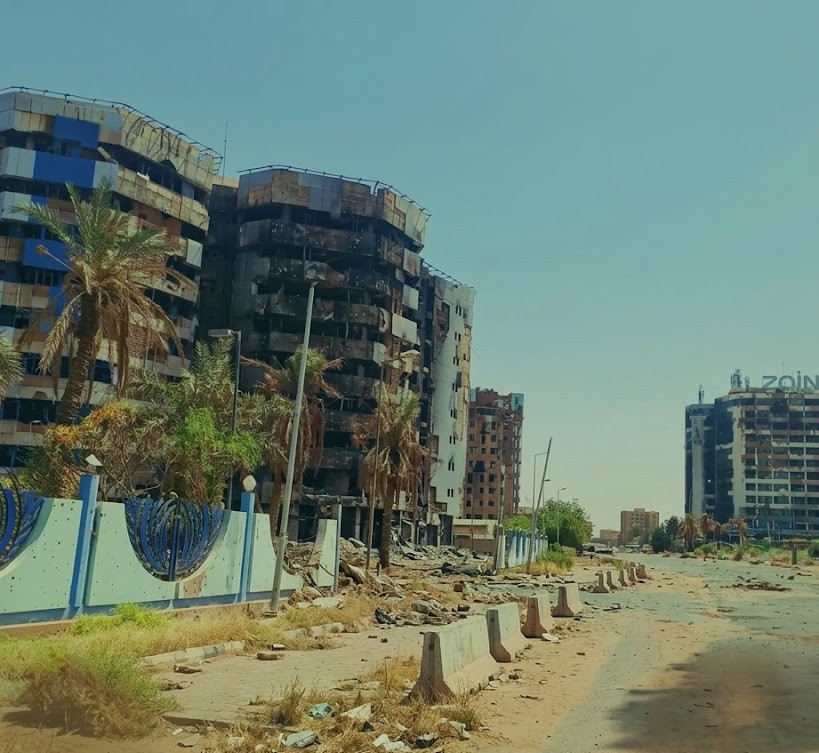
Such assertions collapse in the face of Sudan's historical reality. The Sudanese, heirs to ancient civilizations, have repeatedly demonstrated their resilience and capacity to build and rebuild. Claims of inherent “behavioural helplessness” are therefore little more than baseless conjecture.
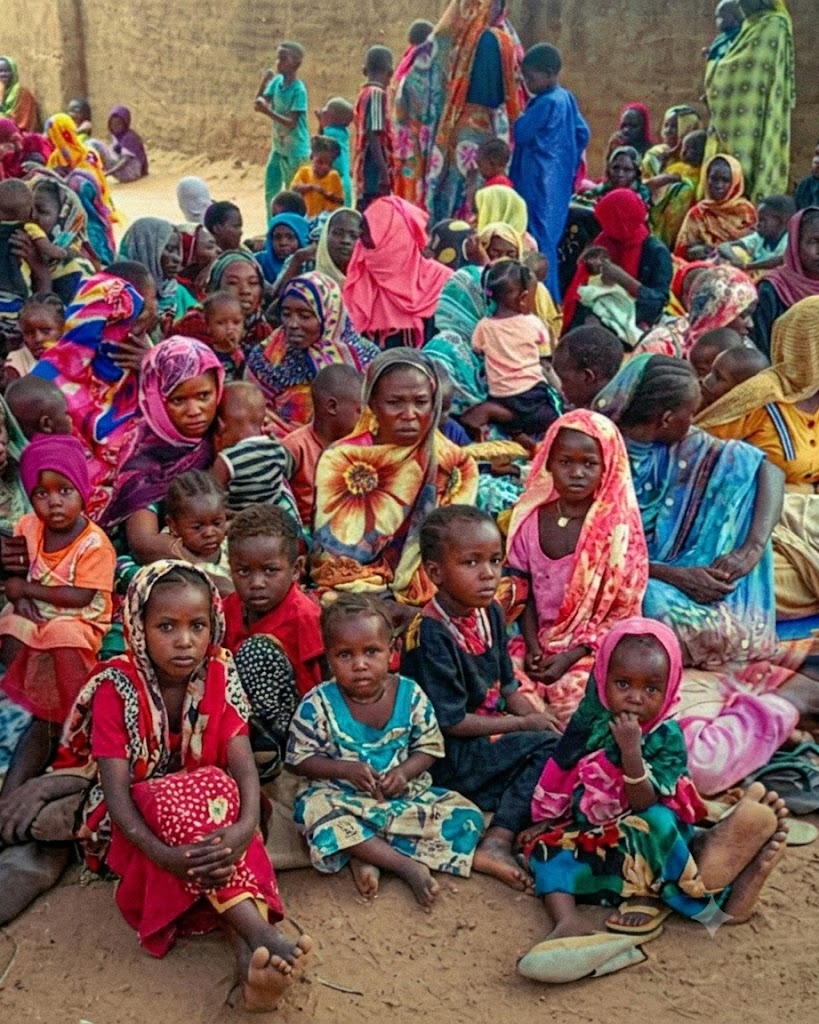
From this premise, Al-Tawil advances the narrative of “Sudan as a burden” in what appears to be an attempt to drive a wedge between the Sudanese and Egyptian peoples. Her characterization of Sudanese refugees in Egypt as a “burden” disregards the realities of history, geography, and the deep ties that bind the two nations. Sudanese displaced persons have never been a burden; rather, they have contributed positively to the societies that received them, a fact recognized by many Egyptians who have shared both hardship and opportunity with their Sudanese brothers and sisters.
Al-Tawil further dismisses Sudan's institutions as “miserable” and draws a “behavioural symmetry” between the Sudanese Armed Forces and militias. Critics argue that this is a profound misreading of Sudan's realities and a false equivalence between a regular state institution and armed groups operating outside the framework of the state.
Using the same exclusionary logic, she attributes the failure of Sudan's transitional period to the weakness of the political elites while overlooking the complex domestic, regional, and international factors that contributed to the collapse of the transition. Her remarks suggest a preference for a compliant Sudan that conforms to preconceived political templates rather than one that reflects its own social diversity and political realities.
Her comments regarding the alleged “cultural illiteracy” of the Sudanese have likewise been viewed as an expression of academic elitism and cultural condescension. Rather than offering practical solutions, such arguments replace analysis with provocation and underestimate the political awareness and resilience demonstrated by Sudanese communities both at home and abroad.
Ultimately, Al-Tawil's calls for regional coordination and financial support to “reshape” Sudan reveal a broader vision of external tutelage. Sudan is not a project awaiting redesign by outside actors; it is a sovereign nation whose future must be determined by its own people. Regional stability is best served by respecting national sovereignty and popular will, not by imposing externally conceived agendas under the guise of consultation or expertise.
Despite the severity of its current crisis, Sudan has repeatedly demonstrated its resistance to fragmentation and its determination to preserve its statehood and identity. The country does not require assessments from those who view it merely as a burden or a threat. Rather, it needs genuine solidarity and constructive engagement.
Sudan, with its people and institutions, remains capable of overcoming its ordeal. It will continue to chart its own course and emerge from this difficult chapter with its sovereignty and dignity intact.
#Sudan-Nabaa#Sudan
Follow Nabaa Sudan channel on WhatsApp:
https://whatsapp.com/channel/0029VaG1qJ2FHWpuSTsncX43
https://www.facebook.com/share/p/1DvWiGjnnu//